Market Overview
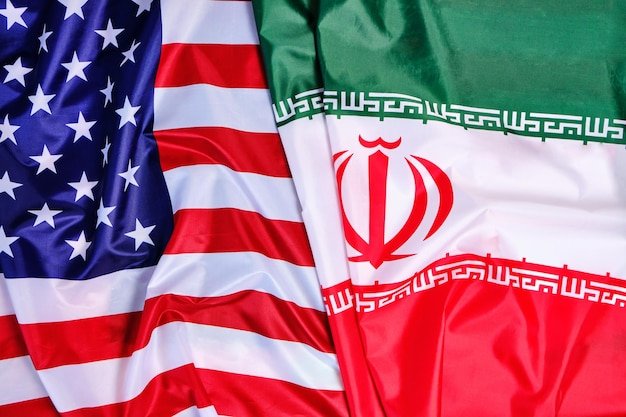
Prediction markets are pricing Iran's agreement to completely cease uranium enrichment by mid-2026 at just 25.5%, with $663,500 in trading volume indicating moderate interest in the outcome. The probability has remained flat over the past 24 hours, suggesting market participants view the current diplomatic trajectory as relatively stable rather than trending toward or away from an agreement. This low probability reflects the significant gap between current Iranian nuclear policy and the market's resolution criteria, which requires a complete halt to all enrichment activities—not merely a cap or reduction to below weapons-grade levels.
Why It Matters
A complete Iranian commitment to end uranium enrichment would represent a fundamental shift in the country's nuclear strategy and would likely be contingent on major concessions in any negotiation, whether bilateral with the U.S., multilateral, or as part of a broader peace process. Such an agreement would address one of the most consequential geopolitical tensions, as uranium enrichment capability underpins international concerns about Iran's nuclear weapons potential. The resolution criteria are deliberately broad, accepting unilateral pledges, bilateral agreements, or enrichment cessation as a precondition to larger deals—yet even with these accommodations, markets price success at roughly one-in-four odds.
Key Factors
Several structural factors weigh against the probability. Iran has historically treated uranium enrichment as a core national security priority and a symbol of sovereign technological achievement. Previous agreements, including the 2015 Joint Comprehensive Plan of Action (JCPOA), achieved limitations and inspections but not complete cessation. The current geopolitical environment remains fragmented: the United States under different administrations has oscillated between engagement and maximum pressure, while regional tensions involving Israel and Gulf states complicate multilateral diplomacy. Additionally, the 18-month timeframe to June 2026 is relatively compressed for negotiating and implementing such a consequential shift in Iranian policy. However, the market does assign meaningful probability to an agreement, suggesting traders recognize that unforeseen diplomatic breakthroughs, regime changes in approach, or shifts in regional conflict dynamics could alter calculations.
Outlook
For the probability to move significantly higher, markets would likely require either a public signal of serious Iranian willingness to negotiate comprehensive enrichment cessation, a major change in U.S. or Israeli diplomatic posture toward such negotiations, or a dramatic shift in regional security dynamics that makes enrichment less strategically valuable to Tehran. Conversely, further Iranian enrichment advances, escalating regional tensions, or statements from Iranian leadership reaffirming the centrality of the enrichment program could push the probability lower. The market's current 25.5% price suggests traders view the outcome as unlikely but not implausible—reflecting genuine uncertainty rather than near-certainty in either direction.