Market Overview
Prediction markets are currently assigning a 33.5% probability to a change in Iran's de facto leadership—specifically the removal, detainment, or incapacity of Mojtaba Khamenei—before the end of 2024. With over $2 million in volume, the market reflects substantial trader interest in Iranian political succession dynamics. The stable probability over the past 24 hours suggests the market has settled on a relatively balanced assessment of near-term succession risk, neither pricing in imminent transition nor dismissing it as negligible.
Why It Matters
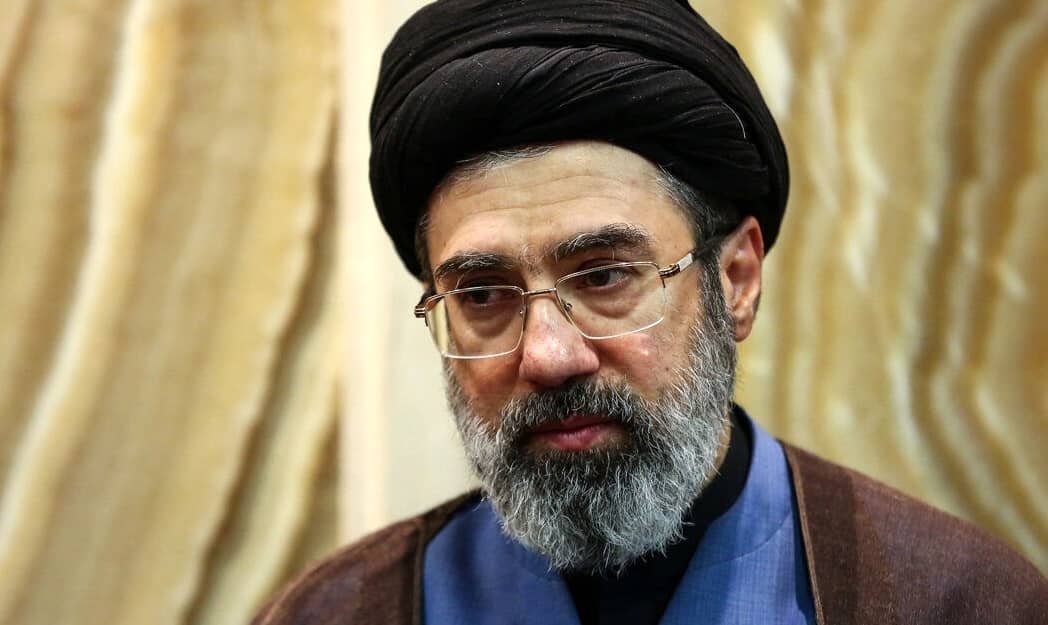
Mojtaba Khamenei, son of Supreme Leader Ayatollah Ali Khamenei, represents a potential linchpin in Iran's succession politics. The Supreme Leader position carries enormous significance for Iran's domestic and foreign policy direction, making any change in de facto control consequential for regional stability, nuclear negotiations, and the orientation of Iran's government. A succession event by year-end would represent an accelerated timeline relative to historical precedent and would likely signal either a major health crisis, internal power struggle, or external pressure sufficient to trigger leadership change. The 33.5% odds suggest traders view such a scenario as plausible but minority outcome.
Key Factors
Several structural considerations appear to inform the market's current pricing. The health and age of the current Supreme Leader, Ayatollah Ali Khamenei (85), creates inherent succession risk that extends to potential heirs. Mojtaba Khamenei's positioning as a successor candidate makes him a focal point for both regime continuity and factional tensions within Iran's power structure. Geopolitical pressures—including sanctions, regional conflicts, and potential military escalation—could theoretically accelerate internal changes. Conversely, the Iranian regime's demonstrated institutional resilience and the absence of publicly visible succession crises supports a substantial \"No\" probability of 66.5%. The market appears to balance these competing dynamics without strongly favoring either outcome.
Outlook
The market's positioning at roughly one-in-three odds suggests traders are monitoring multiple contingencies without consensus on imminent change. Significant movements would likely require either credible reporting of major health events, visible signs of internal factional conflict, or external developments sufficiently destabilizing to force leadership transitions. The resolution criteria—accepting an official announcement retroactively—means information asymmetries around Iranian leadership decisions could create sharp repricing once events become public. Absent dramatic developments, the market appears likely to remain in this intermediate probability zone through the remainder of 2024.