Market Overview
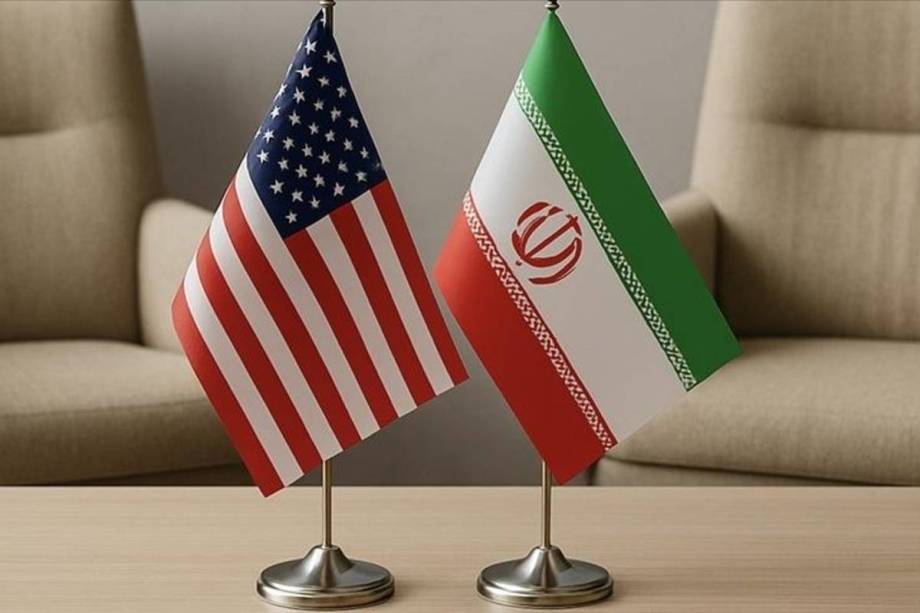
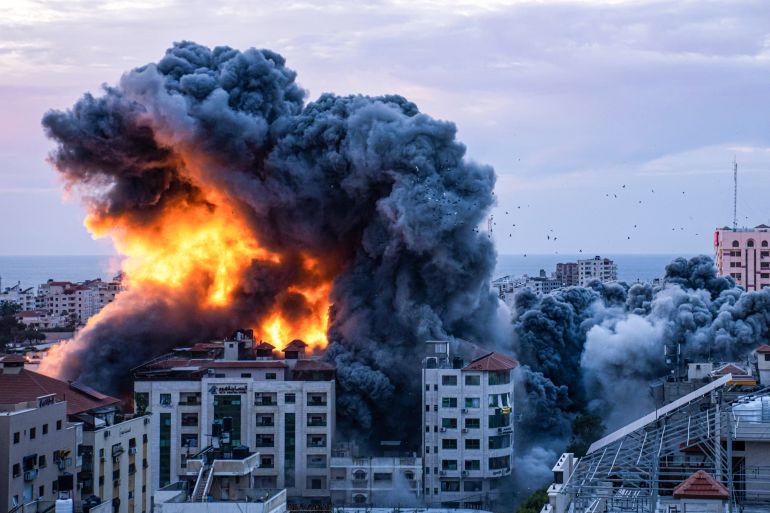
Prediction markets are currently assigning a 10.4% probability to a resolution of the Iran-Israel-US conflict by April 15, based on the narrow criterion of achieving a 14-day period without military action. The metric has ticked upward modestly from 8.1% a day prior, suggesting some marginal shift in sentiment toward de-escalation, though the overall conviction remains heavily weighted toward continued hostilities. With approximately $3.1 million in volume traded, the market reflects substantive participation and suggests meaningful uncertainty about the trajectory of regional tensions.
Why It Matters
The specific definition employed by this market—requiring 14 consecutive days free of direct military action by state actors—sets a high bar for resolution. Since the market criteria explicitly exclude proxy forces such as Hezbollah and the Houthis, even attacks attributed to Iranian-aligned non-state actors would not trigger a \"Yes\" outcome. This distinction is critical: the regional conflict ecosystem includes numerous armed groups whose actions would not count toward resolution, yet whose operations often influence state-level decision-making. For investors and observers, the 10% pricing reflects a judgment that even a temporary pause in direct state military engagement remains improbable within the next three months.
Key Factors
Several structural factors appear to underpin the low probability. First, the recent history of escalation cycles between Iran and Israel—including strikes and counter-strikes in early 2024—suggests institutional momentum toward continued engagement rather than pause. Second, the April 15 deadline is compressed relative to the diplomatic timelines typically required to establish de-escalation frameworks. Third, the definition of military action is broad, encompassing airstrikes, naval operations, and ground incursions, meaning even a single confirmed attack would reset the 14-day clock. The modest 2.3 percentage-point increase over 24 hours may reflect shifting assessments of either diplomatic progress or near-term risk appetite, though the probability remains well into the tail of the distribution.
Outlook
For the \"Yes\" outcome to materialize, both Iran and the Israel-US alignment would need to refrain from direct military action for two consecutive weeks—a feat that would require either a significant diplomatic breakthrough or a mutual decision to pause operations. Current market pricing suggests investors assign this scenario low likelihood. Movement in the odds will likely depend on developments such as diplomatic initiatives, de-escalation statements from key officials, or conversely, any new military incidents that would reinforce the expectation of continued hostilities through mid-April. The historical volatility of this conflict suggests the probability could shift sharply on new information.