Market Overview
Prediction markets are currently valuing the likelihood of Reza Pahlavi entering Iran within the next 18 months at just 6.5%, with trading volume of $2.57 million indicating substantial interest despite the low implied probability. The market has remained stable at this level, suggesting traders have reached a consensus around the considerable obstacles to such a visit occurring.
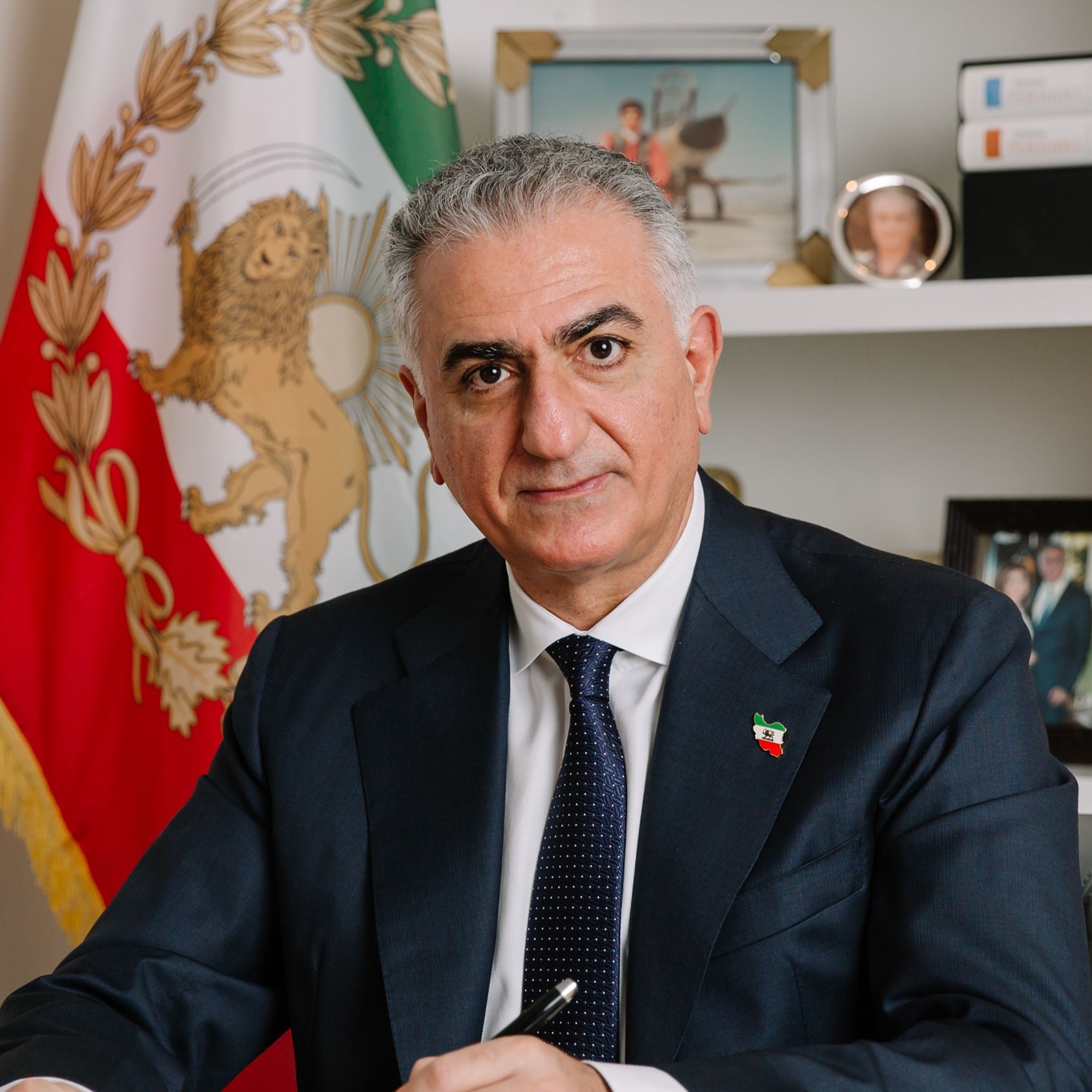
Reza Pahlavi, the son of Iran's last shah and a prominent opposition figure based in exile, represents a potent symbolic threat to Iran's Islamic Republic. Any return to Iranian soil would carry enormous political weight and would be perceived as an act of defiance against the regime. The stability of the market price indicates that participants view the barriers to his entry as structural rather than dependent on near-term developments.
Why It Matters
A Pahlavi visit would represent a dramatic political escalation in Iran, signaling either a fundamental shift in the regime's stability or a bold gambit by opposition forces. His entry would likely trigger immediate arrest or confrontation, making such a move a watershed moment for Iran's political future. The low odds reflect market confidence that neither Pahlavi nor his supporters view a near-term physical return as strategically viable, despite his ongoing advocacy for regime change from exile.
Key Factors
Several factors underpin the minimal probability. First, the Iranian government's security apparatus would almost certainly prevent Pahlavi's entry, and the regime views his presence as an existential threat. Second, Pahlavi himself has shown no indication of planning such a visit, instead maintaining a vocal but safe opposition role from abroad. Third, the timeline to June 30, 2026 is relatively short for such a consequential event to occur without clear precursors—no imminent political crisis or regime collapse appears likely to warrant his return in the near term.
Historical precedent also matters: opposition figures attempting to return to Iran have faced arrest, and Pahlavi's status as a royal heir makes him particularly vulnerable to detention. Regime change, a prerequisite for a secure return, would require developments well beyond the 18-month window that markets are pricing in.
Outlook
Unless significant geopolitical upheaval destabilizes the Iranian government or a dramatic political opening emerges, the probability is likely to remain in the low single digits through June 2026. Traders would be watching for signs of regime fracture, international diplomatic breakthroughs, or explicit statements from Pahlavi about an imminent return—none of which currently appear on the horizon. The market's stability suggests this assessment is unlikely to shift absent major new developments.