Market Overview
The Isfahan Nuclear Technology Center prediction market is currently priced at 100% probability, indicating that traders believe a kinetic military strike by the U.S. or Israel against the facility is virtually certain to occur between now and March 31, 2026. With $1.37 million in trading volume, the market has attracted substantial participation, though the probability has remained stable at maximum confidence for at least the past 24 hours. The market's terms are specific: it will resolve affirmatively only if an actual strike successfully reaches its target, excluding intercepted, shot-down, or missed attacks, as well as cyber operations, sanctions, and diplomatic measures.
Why It Matters
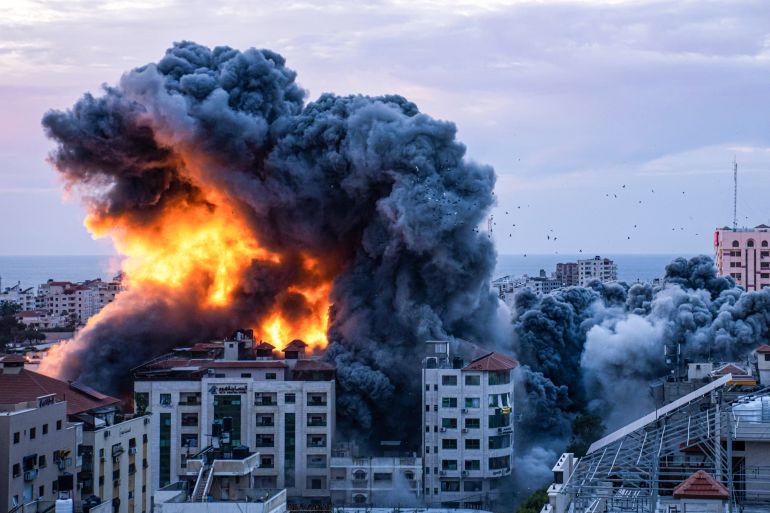
Isfahan is home to Iran's primary uranium conversion facility, making it one of the country's most strategically significant nuclear sites. Military action against such a target would represent a major escalation in Middle Eastern tensions and could have far-reaching geopolitical consequences, potentially drawing broader international responses. The certainty priced into this market reflects trader assessments of regional instability, recent military exchanges between Israel and Iran, and ongoing concerns about Iran's nuclear program among Western and Israeli security establishments. An attack on this scale would likely dominate global headlines and reshape dynamics in the region for months or years to come.
Key Factors
Several elements appear to underpin the market's maximum probability assessment. First, the history of military tensions between Israel and Iran, including recent direct exchanges of strikes, demonstrates that kinetic action has become an accepted tool in their strategic competition. Second, Western intelligence concerns about Iran's nuclear enrichment capabilities have remained persistently elevated, creating ongoing pressure for military options. Third, the market's timeframe extends 15 months into the future, providing a relatively long window for escalation scenarios to materialize. However, the 100% pricing also raises analytical questions: markets at extreme probabilities often reflect either very high confidence or potential illiquidity that prevents price discovery toward more moderate levels. The absence of any significant recent geopolitical shock that would justify such certainty suggests the market may be pricing in baseline expectations of regional conflict rather than reacting to imminent specific intelligence.
Outlook
For the probability to shift downward materially, developments would likely need to include diplomatic breakthroughs on Iran's nuclear program, significant de-escalation in U.S.-Iran or Israel-Iran relations, or explicit security guarantees that reduce perceived incentives for military action. Conversely, factors that could reinforce the current pricing include new evidence of advanced Iranian nuclear activities, further direct military exchanges between regional adversaries, or changes in U.S. or Israeli political leadership with different strategic postures. Traders should monitor both diplomatic channels and intelligence assessments regarding Iran's nuclear timeline, as these remain the primary variables that could justify revision of such an extreme probability over the coming months.