Market Overview
The prediction market for a US-Iran ceasefire by April 15 is currently trading at 13.5% implied probability, indicating traders view such an agreement as unlikely within the specified timeframe. The slight downward movement from 16.5% a day prior suggests modest erosion of confidence over a short window, though the overall low probability has remained consistent with historical norms for direct US-Iran military agreements. With significant volume at $16.5 million, the market reflects genuine trader engagement on the question.
Why It Matters
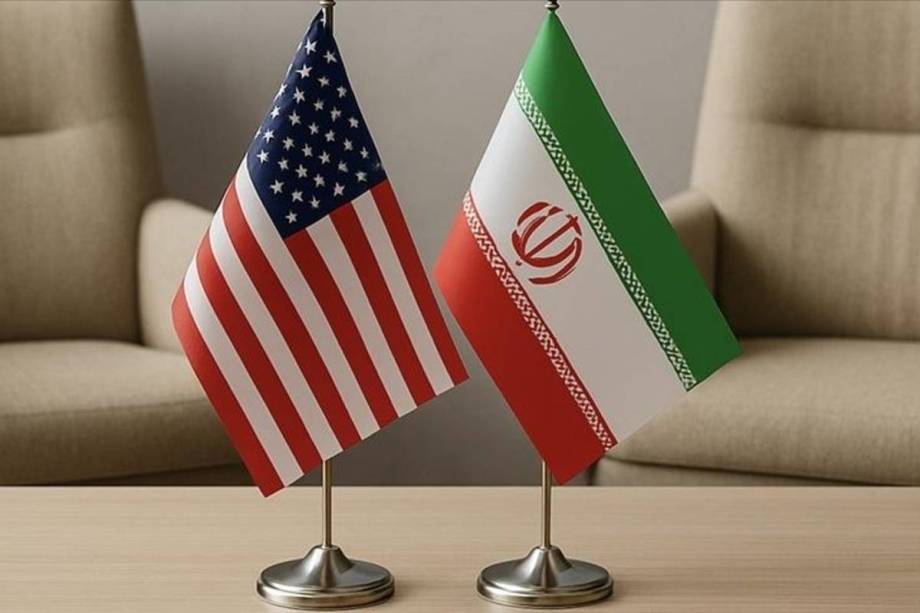
A formal ceasefire agreement between the United States and Iran would represent a substantial shift in Middle Eastern geopolitics and could reshape regional security dynamics. The stringent definition employed by this market—requiring publicly announced, mutually agreed halts in direct military engagement confirmed by both governments—sets a high bar that excludes informal understandings, humanitarian pauses, or unilateral de-escalation measures. This precision matters because partial measures or backchannel arrangements, while diplomatically significant, would not trigger a \"Yes\" resolution. The April 15 deadline imposes additional constraint, compressing the resolution window to roughly two weeks from the current date.
Key Factors
Several structural factors explain the low implied probability. First, direct US-Iran military confrontation remains rare; most historical tensions involve proxy forces, asymmetric operations, or isolated incidents rather than sustained direct combat requiring formal ceasefire agreements. Second, the requirement for simultaneous public confirmation from both governments sets a high diplomatic hurdle, as either party could avoid formal agreement while pursuing de-escalation through other means. Third, broader geopolitical conditions—including ongoing regional conflicts, sanctions regimes, and domestic political constraints in both countries—create few incentives for either side to pursue and publicly announce such an agreement on an accelerated timeline. The distinction between a ceasefire and broader peace negotiations or normalization frameworks further narrows the resolution criteria, excluding outcomes that might represent meaningful progress but lack explicit military disengagement language.
Outlook
The market's trajectory suggests traders see little momentum toward formal agreement in coming weeks. Developments that could shift probabilities upward would include public signals from either government indicating ceasefire negotiations, mediation by credible international actors, or sudden de-escalation of military tensions coupled with official statements. Conversely, further military incidents or hardening rhetoric from either side could push the probability even lower. Traders should monitor official government communications and credible reporting on diplomatic channels, while noting that informal progress in talks would not move the market unless formalized into a publicly announced agreement before the deadline.