Market Overview
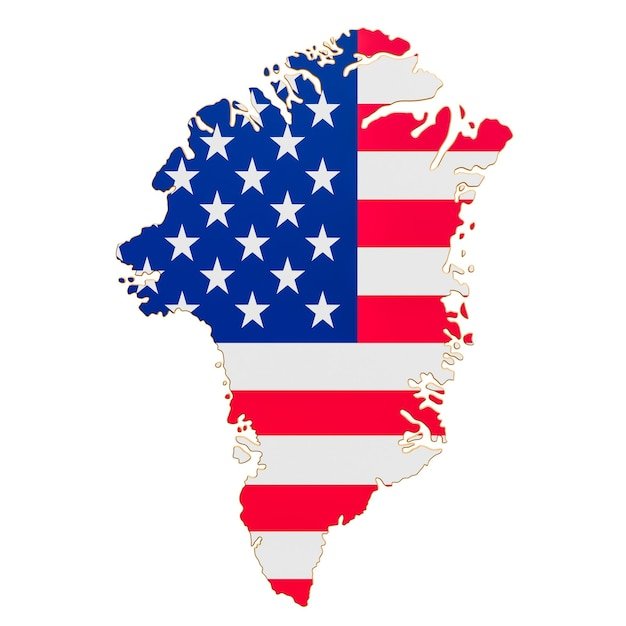
Prediction markets are currently valuing the probability of U.S. territorial acquisition in Greenland by December 31, 2026, at 14%, with trading volume of approximately $9.7 million indicating sustained investor interest. The market has remained stable at this level over the past 24 hours, suggesting a consensus among participants around a relatively low but non-negligible probability. The resolution criteria are notably stringent, requiring either a formal transfer of sovereignty, a binding agreement establishing primary or exclusive U.S. jurisdiction, or acquisition through military force—mere proposals, negotiations, or non-binding frameworks will not qualify.
Why It Matters
Greenland's strategic importance has periodically surfaced in policy discussions given its geopolitical location, natural resources, and Arctic significance. The resolution criteria distinguish sharply between rhetorical interest and legal commitment: basing rights, leases, access agreements, or commercial concessions do not qualify, setting a high bar for resolution. This specificity matters because it means casual political overtures or exploratory negotiations would need to crystallize into enforceable legal instruments to trigger a \"Yes\" outcome. The market's current pricing reflects assessment of both the political feasibility of such an arrangement and the structural barriers to Greenlandic sovereignty transfers.
Key Factors
Several dynamics are likely informing the 14% probability. First, Greenland maintains self-governance under Danish sovereignty, and both Denmark and Greenlandic authorities have consistently expressed unwillingness to cede territory. Second, international law and norms around territorial acquisition place significant constraints on unilateral action outside military conflict scenarios, which themselves carry substantial geopolitical costs. Third, the timeframe is relatively compressed—just over one year remains until the December 2026 deadline, limiting the window for complex diplomatic negotiations and formal legal processes. Fourth, while recent political statements have revived discussion of Greenland's acquisition, translating these into binding agreements faces institutional and diplomatic friction. The 14% valuation may reflect a small probability assigned to either dramatic geopolitical shifts, unexpectedly receptive negotiations, or scenarios in which a future administration pursues such arrangements more aggressively.
Outlook
Market movements will likely track developments in U.S.-Denmark relations, statements from Greenlandic leadership, and any formal diplomatic initiatives. For the probability to shift materially upward, concrete steps toward binding agreements would be required—signed treaties, enabling legislation, or executive actions implementing such transfers. Conversely, public statements ruling out such arrangements or diplomatic normalization could push odds downward. The market's current equilibrium suggests participants view acquisition as possible but unlikely within the timeframe, requiring either rapid political realignment or unprecedented willingness from Danish and Greenlandic counterparts. Investors should monitor official government communications and formal diplomatic channels, as non-binding proposals or frameworks will have limited impact on resolution.