Market Overview
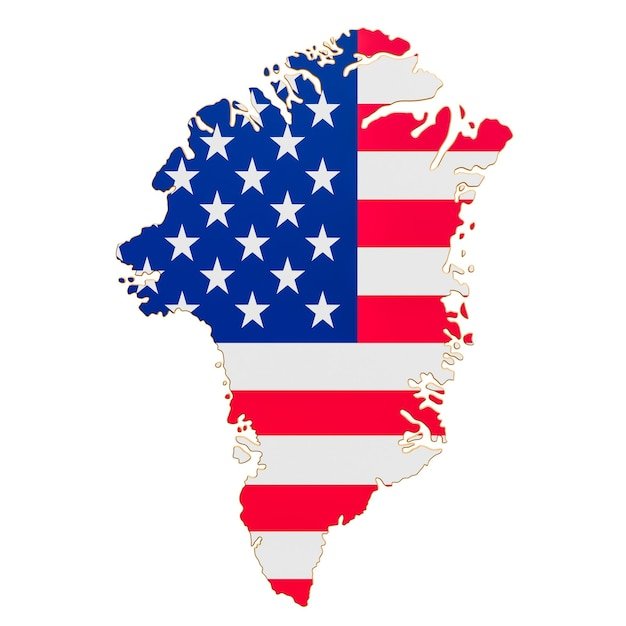
Prediction markets are currently assigning a 14% probability to the United States acquiring control of any land territory in Greenland by December 31, 2026. With nearly $9.7 million in trading volume, the market reflects sustained interest in a geopolitical scenario that has moved from speculative commentary to formal discussion territory. The stable probability over the past 24 hours suggests traders have priced in available information and are awaiting concrete developments to shift expectations significantly.
The market's resolution criteria are explicitly stringent, requiring a binding agreement establishing either sovereignty transfer or primary U.S. jurisdiction and control—excluding non-binding statements, frameworks, memoranda of understanding, or conventional lease and basing arrangements. This high bar for qualification is reflected in the relatively low probability, as such transfers represent extraordinary departures from standard international practice.
Why It Matters
Greenland holds substantial strategic value due to its Arctic location, rare earth mineral deposits, and positioning along increasingly contested polar shipping routes. Any U.S. acquisition would represent a significant geopolitical realignment in the North Atlantic and signal a shift in how territorial questions are resolved in the modern era. For traders, the market represents a bet on whether recent rhetorical interest from U.S. leadership translates into actionable policy and successfully negotiated agreements with Danish and Greenlandic authorities.
Key Factors
Several structural obstacles currently limit the probability's upside. Denmark maintains sovereignty over Greenland as an autonomous territory within the Kingdom of Denmark, and both Danish and Greenlandic authorities have publicly resisted acquisition discussions. Any transfer would require negotiation at multiple levels of government and likely face significant domestic political opposition in both countries. The 14% probability reflects a judgment that while U.S. interest may be serious, the diplomatic and legal hurdles remain formidable within the compressed 24-month timeframe.
The market's criteria explicitly exclude arrangements short of formal sovereignty or primary jurisdiction transfer—meaning basing rights, access agreements, or commercial concessions that might represent partial victories would not resolve the market to \"Yes.\" This distinction matters because intermediate agreements, while politically significant, would leave the market unresolved. Traders appear to be calibrating probabilities around the threshold question of actual control transfer rather than incremental strategic gains.
Outlook
Market movement is likely to depend on tangible developments: official statements indicating serious negotiations, legislative proposals in the U.S. Congress, or signals from Danish and Greenlandic governments suggesting receptiveness to discussions. The current 14% probability implies traders view acquisition as unlikely but not negligible—roughly a one-in-seven chance. Any movement toward binding agreements or formal negotiating frameworks could prompt upward repricing, while continued resistance from relevant authorities or passage of time without progress might drive the probability lower. The 2026 deadline creates urgency for any qualifying agreement, as markets may discount scenarios requiring extended implementation periods beyond year-end.