Market Overview
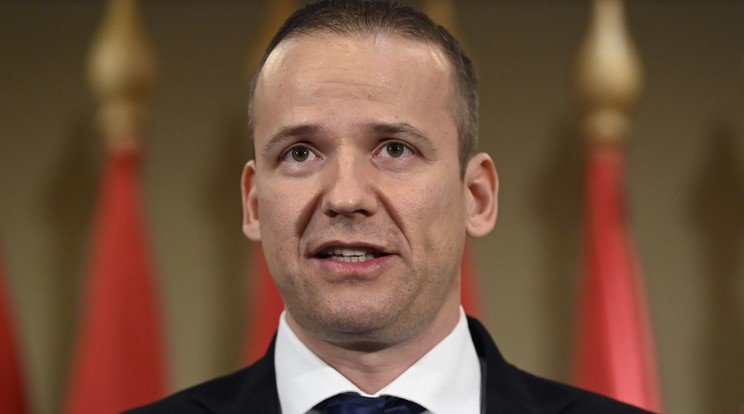
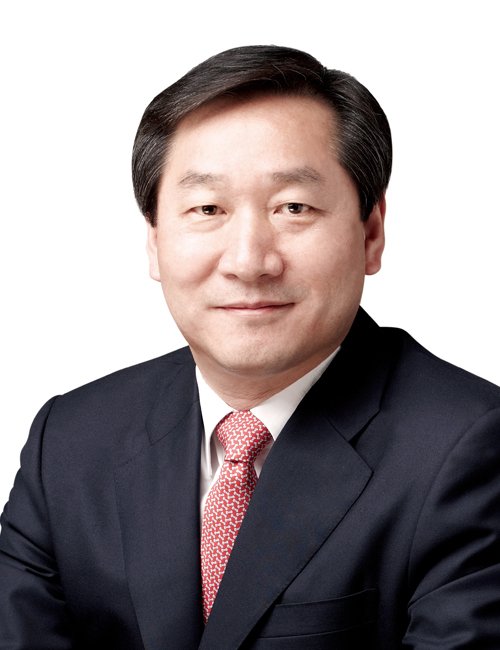
With high trading volume of $1.9 million, the Yoo Jeong-bok mayoral contract is drawing significant interest from prediction market participants, yet his implied probability remains near the floor at 3.7%—virtually unchanged from 3.8% a day earlier. The stability of the odds suggests a settled market view rather than reaction to breaking developments. The 2026 Incheon mayoral election, scheduled for June 3, will determine leadership of a metropolitan area with roughly 3.2 million residents and substantial economic importance as South Korea's primary port city.
Why It Matters
Incheon's mayoral position carries considerable political weight in South Korea, influencing regional development policy, port management, and infrastructure investment. The race may reflect broader trends in South Korean politics ahead of the 2027 presidential election cycle. A candidate polling at 3.7% would face an uphill battle, though local elections in South Korea have occasionally produced surprise outcomes. The question captures market sentiment about whether Yoo can overcome apparent structural disadvantages in a competitive field.
Key Factors
Several considerations likely explain the low probability. Yoo may lack significant political profile, party backing, or regional support relative to other potential candidates. South Korean mayoral races typically benefit from strong affiliation with major parties—the Democratic Party and People Power Party—and established political networks. Regional preferences in Incheon have historically favored certain political factions. The absence of recent public polling data or campaign momentum for Yoo in available information suggests limited organizational capacity or name recognition. Conversely, the 3.7% floor leaves room for unexpected developments: endorsements from high-profile figures, favorable media coverage, or fracturing among rival candidates could shift perceptions.
Outlook
Unless significant new information emerges about Yoo's candidacy or campaign resources, the market appears likely to maintain low odds through the election. Traders will monitor announcements of official candidates, party primary results, and any polling data released by South Korean media. The June 2026 date provides ample time for the political landscape to shift, though the current consensus suggests Yoo enters as a long-shot candidate. The substantial trading volume indicates market participants are willing to bet on the possibility of surprises, even at minimal probability levels.