Market Overview
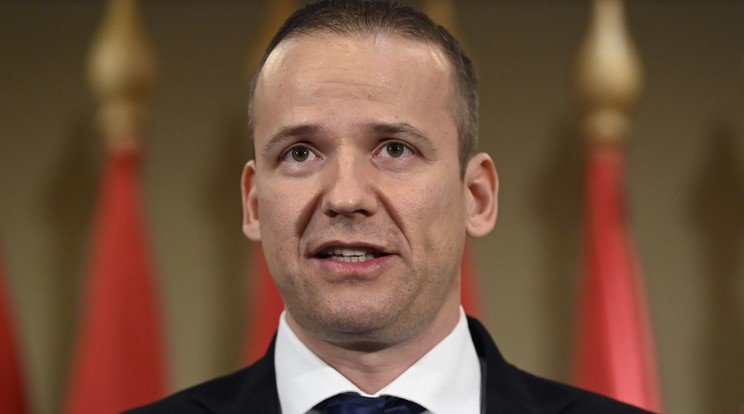
Prediction market participants have assigned László Toroczkai an extremely low probability of 0.1% to become Hungary's next Prime Minister after the April 12, 2026 parliamentary elections. The market has remained stable at this level over the past 24 hours, with substantial volume of $12.4 million indicating active interest in the broader question of Hungary's political direction. This negligible odds assignment effectively prices Toroczkai as a near-zero contender despite his position as head of the Mi Hazánk (Our Homeland) party, a nationalist political force in Hungarian politics.
Why It Matters
Hungary's 2026 parliamentary elections will determine the country's political direction for the next four years, with significant implications for European Union relations, democratic governance, and regional stability in Central Europe. The Prime Minister position is the critical executive role in Hungary's system, making this market a barometer of investor and analyst expectations regarding which political faction will command parliamentary support. At 0.1%, Toroczkai's odds suggest that market participants view him as effectively unable to build a governing coalition or secure the parliamentary votes necessary to become Prime Minister, even accounting for unexpected political developments.
Key Factors
Toroczkai's minimal odds reflect several structural realities in Hungarian politics. Mi Hazánk remains a smaller party outside the mainstream coalition-building networks, with limited parliamentary representation historically. The current political landscape is dominated by Prime Minister Viktor Orbán's Fidesz party and opposition coalitions, both of which maintain substantially greater organizational capacity and electoral reach. The market assessment suggests that neither Fidesz nor opposition groupings would be likely to include Toroczkai in a governing arrangement, and his party lacks the independent strength to govern alone. The resolution criteria requiring formal appointment and confirmation by December 31, 2026, further constrains pathways for Toroczkai, as this timeframe assumes a functioning government formation process following April elections.
Outlook
For Toroczkai's probability to meaningfully increase, Hungary's political landscape would need to undergo substantial realignment—either through unexpected electoral gains for Mi Hazánk that positioned it as a kingmaker in coalition negotiations, or through a dramatic fracturing of existing political blocs. The current market price reflects the assessment that such scenarios carry minimal credibility. Developments that could shift this assessment would include significant polling movements favoring Mi Hazánk in the months preceding the election, fundamental changes in Hungarian electoral rules, or unexpected political crises altering coalition mathematics. The market will likely remain anchored near current levels unless evidence emerges of material shifts in Hungarian political party positioning or electoral dynamics.