Market Overview
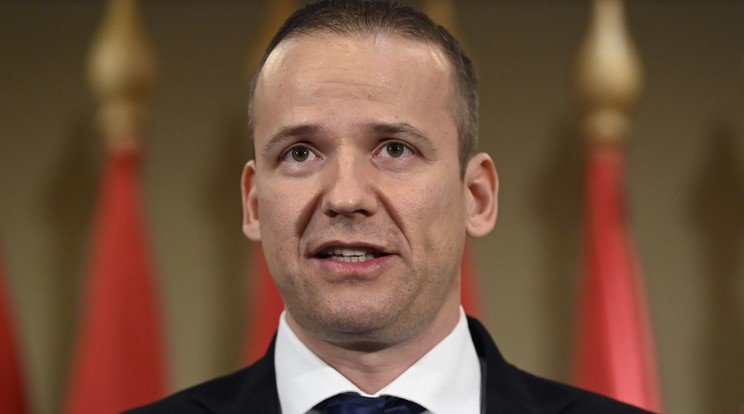
Prediction markets currently price the probability of Richard Grenell serving as Venezuela's head of state by year-end 2026 at 0.2%, a negligible level that has barely moved despite $31 million in total volume. For context, this implies roughly 1-in-500 odds. Grenell, a former U.S. ambassador and Trump administration official known for hawkish Venezuela policy, would need to overcome significant geopolitical and institutional obstacles to reach the Venezuelan presidency within the next two years.
Why It Matters
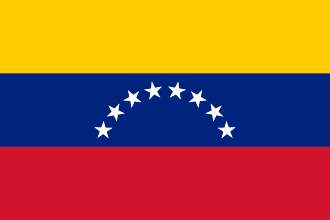
The extremely low odds reflect market participants' assessment that Venezuelan leadership transitions of this magnitude—particularly ones involving direct U.S. influence—remain extraordinarily unlikely in the near term. Nicolás Maduro has maintained control despite widespread international non-recognition, economic collapse, and opposition movements. The low probability assigned to Grenell, despite his policy prominence and expected return to a Trump administration, underscores skepticism about the viability of externally-driven regime change scenarios. This market serves as a barometer of how seriously investors view the possibility of dramatic Venezuelan political realignment.
Key Factors
Several structural factors constrain the Grenell scenario. Maduro controls Venezuela's military and security apparatus, which has proven resilient against both internal and external pressure. The opposition has fractured, and no unified alternative leadership commands comparable institutional support. Additionally, direct appointment of a U.S. citizen as Venezuela's head of state would face constitutional barriers and international legitimacy questions—the UN recognition requirement embedded in the market's resolution criteria presents a practical hurdle. While Trump administration officials have supported stronger Venezuela policies, translating rhetoric into actual regime change within 24 months requires either unforeseen internal collapse or military intervention, neither of which markets assess as probable.
Outlook
For odds to shift materially, developments would need to fundamentally alter Venezuela's political trajectory: a major military defection, sudden institutional breakdown of Maduro's government, or explicit U.S. military action. Short of such dramatic events, the 0.2% pricing likely reflects a floor—the residual \"tail risk\" premium for unforeseen scenarios rather than genuine expectation of a Grenell presidency. Monitoring this market's movements could signal whether participants perceive meaningful escalation in U.S. Venezuela policy or unexpected instability in Caracas.