Market Overview
With roughly 475,000 dollars in traded volume, a prediction market on whether 2026 will experience zero volcanic eruptions rated VEI 4 or higher is pricing the outcome at slightly better than even odds—53.5% probability. The market structure is straightforward: it resolves yes if the Smithsonian Institution's Global Volcanism Program records zero eruptions at VEI 4 or above during the calendar year, with final resolution based on data confirmed by March 31, 2027. The stability of the odds over the past day suggests the market has found an equilibrium reflecting current expectations.
Why It Matters
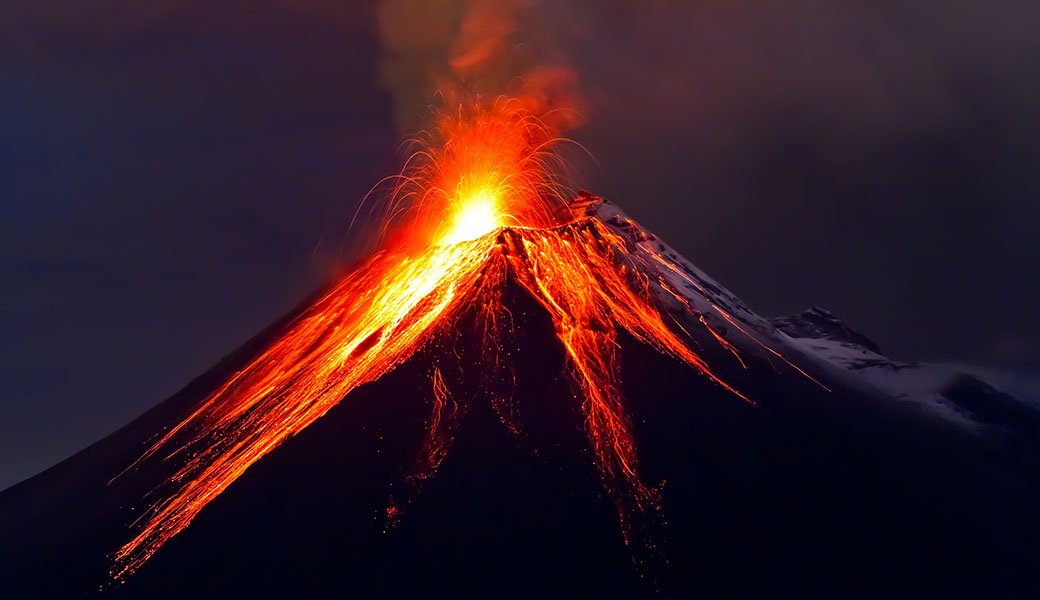
VEI 4 eruptions represent a significant threshold in volcanic activity—roughly 100 times more powerful than a typical eruption and capable of producing global atmospheric effects including ash dispersal and potential climate impacts. The last documented VEI 4 eruption occurred in 2011 (Nabro in Eritrea), and such events remain genuinely rare, occurring on average less than once per year globally when examined over decadal timescales. The market's near-50/50 odds reflect that forecasters genuinely cannot confidently predict whether 2026 will break a dry spell or continue it, highlighting the inherent unpredictability of geological events.
Key Factors
Historical frequency anchors expectations: between 2000 and 2024, VEI 4+ eruptions occurred in roughly 16 of 25 years (64%), though the distribution is highly uneven—some years saw multiple major eruptions while others saw none. Current volcanic activity monitoring provides limited predictive power; while scientists can forecast eruptions at already-active volcanoes, the timing of new major eruptions at dormant or lesser-monitored sites remains essentially unpredictable. Geographic monitoring gaps, particularly in remote oceanic regions and developing nations, introduce uncertainty about detection itself. The market is implicitly betting on baseline historical rates, with no current volcano being monitored as an imminent VEI 4+ threat.
Outlook
As 2026 progresses, market odds will likely shift based on any significant volcanic activity that approaches VEI 4 criteria, rather than on new scientific discoveries. Markets for rare natural hazards typically remain volatile only when conditions appear to be changing; absent a volcano showing unusual precursory activity, odds may drift toward historical baselines. The 53.5% probability essentially encodes forecaster uncertainty rather than conviction, making this market a reflection of genuine scientific limitations in predicting individual geological events. Resolution will depend entirely on actual volcanic activity and the Smithsonian's formal classification decisions.