Market Overview
The prediction market for a natural disaster in 2026 currently prices the event at 27%, based on a pool of $215,647 in trading volume. The probability has remained stable over the past 24 hours, suggesting market participants have reached a relatively settled view on the likelihood of at least one catastrophic event meeting the specified criteria during the calendar year.
Why It Matters
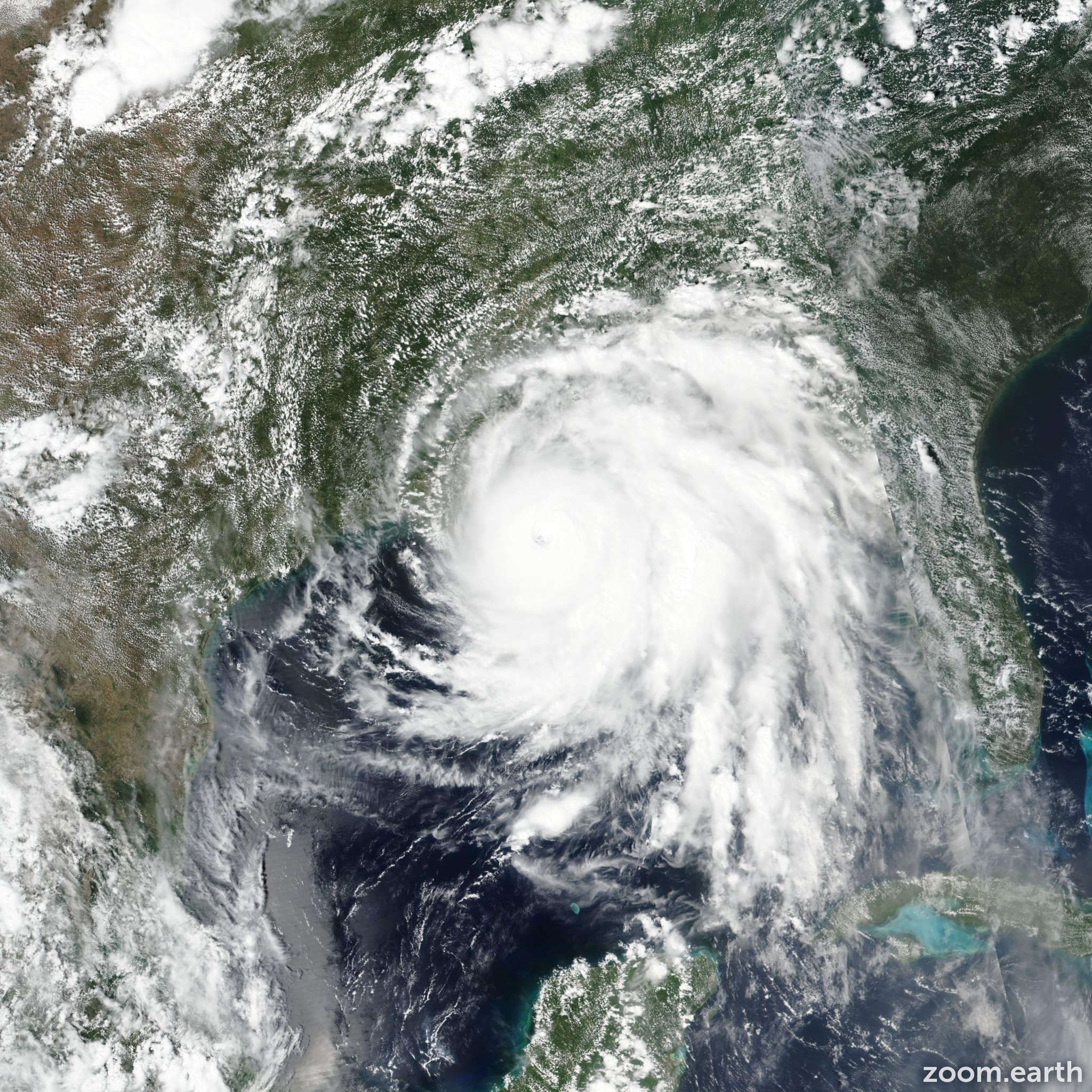
The market aggregates expectations across four distinct but similarly consequential natural hazards: US landfall by a Category 5 hurricane, a meteor strike of 10 kilotons or larger, a volcanic eruption with a Volcanic Explosivity Index of 6 or above, and an earthquake measuring 8.5 or greater on the Richter scale. Each represents a low-frequency but high-impact event capable of causing significant economic and humanitarian damage. The combined 27% probability reflects the reality that while such events are individually rare, the year 2026 is long enough that the cumulative odds of at least one occurring are meaningful.
Key Factors
Historical frequency data underpins assessments. Category 5 hurricanes strike the continental US roughly once per decade on average, making a 2026 occurrence plausible but not highly probable on any given year. Major volcanic eruptions (VEI 6+) occur globally roughly once per century, while magnitude 8.5+ earthquakes are somewhat more common, averaging several per century, though their geographic distribution is concentrated. Meteor strikes of 10 kilotons exceed most detection thresholds and remain rare in observed records. The 27% level suggests traders view some combination of these hazards as collectively probable enough to bet on, but they are not treating such an event as likely.
Outlook
Market probability could shift based on several developments. Increased volcanic activity near major monitoring sites, stronger than average Atlantic hurricane season forecasts, or changes in geological activity patterns could push odds higher. Conversely, as 2026 progresses without triggering events, the probability will mechanically decline in the closing months. The market's stability at 27% over the past day indicates traders are not responding to immediate newsworthy developments, but rather pricing in baseline geological and meteorological risks for a calendar year.