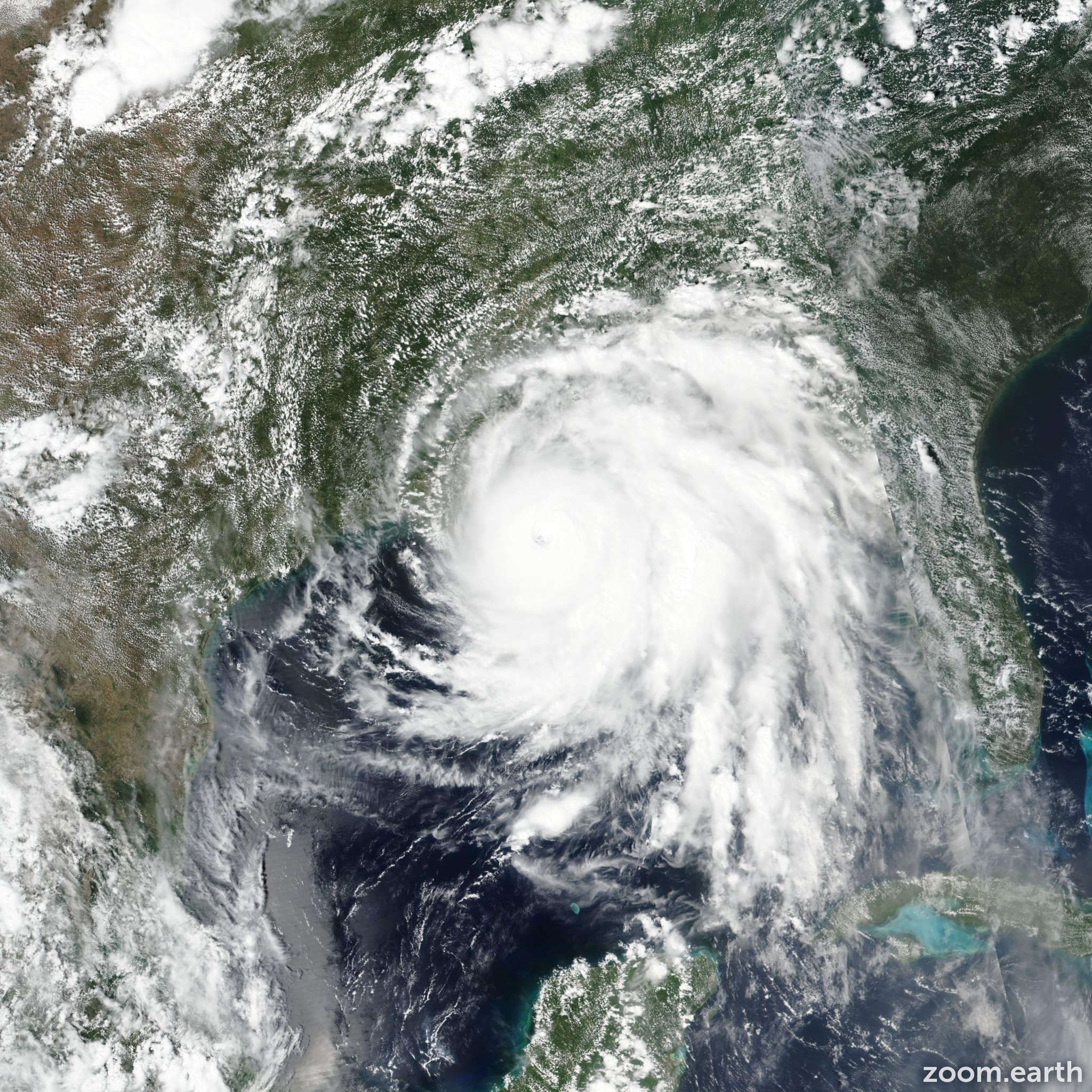
Market Overview
Prediction markets are currently assessing the likelihood of a Category 4 hurricane striking the conterminous United States before 2027 at 35%, indicating a meaningful but minority probability assigned to the event. The market has remained stable at this level over the past 24 hours, suggesting a consensus view among participants rather than recent volatility. With over $326,000 in trading volume, the market reflects substantive interest in quantifying this natural disaster risk.
Why It Matters
Category 4 hurricanes represent a significant threshold in storm severity, featuring sustained winds of 130-156 mph that cause catastrophic damage to infrastructure, property, and pose severe risks to human life. The question of whether such a storm will strike the US mainland within roughly two years carries implications for insurance pricing, disaster preparedness planning, and broader understanding of extreme weather risk in an era of climate variability. The specific timeframe—ending December 31, 2026—creates a defined window for evaluating both historical patterns and forward-looking atmospheric conditions.
Key Factors
Historical landfall frequency provides important context. Category 4 and 5 hurricanes making US landfall remain relatively uncommon events; the National Hurricane Center records show such landfalls occurring roughly once per decade on average, though with considerable variation. The US coastline spans thousands of miles across multiple hurricane-prone regions, and the path of any given storm involves numerous atmospheric variables that make long-term prediction inherently uncertain. Additionally, the 24-month window represents only a portion of the full hurricane season cycle, further constraining the probability space.
The 35% probability implies market participants view the occurrence as plausible but unlikely—roughly equivalent to rolling a die and expecting a 1 or 2. This reflects recognition that while Category 4 landfalls do happen and the timeframe extends across two active hurricane seasons, the baseline rarity of such events keeps the odds in the minority range.
Outlook
Movements in this market would likely respond to significant atmospheric or climatic developments, including observed changes in sea surface temperatures, seasonal forecasts from agencies like NOAA, or major hurricane activity during the 2024 and 2025 seasons. A particularly active season with multiple major hurricanes approaching the US coast could shift probabilities upward, while a notably quiet season could push them lower. The market's stability suggests current pricing reflects a relatively settled view of baseline hurricane climatology, pending new seasonal information.