Market Overview
The prediction market for major volcanic activity in 2026 is trading at 53.5% probability for zero confirmed VEI 4 or higher eruptions, with modest trading volume of $475,150. This represents near parity between two outcomes: a volcanically quiet year and one or more significant eruptions. The flat 24-hour price action suggests the market has settled into a stable assessment rather than reflecting new information or shifting sentiment.
Why It Matters
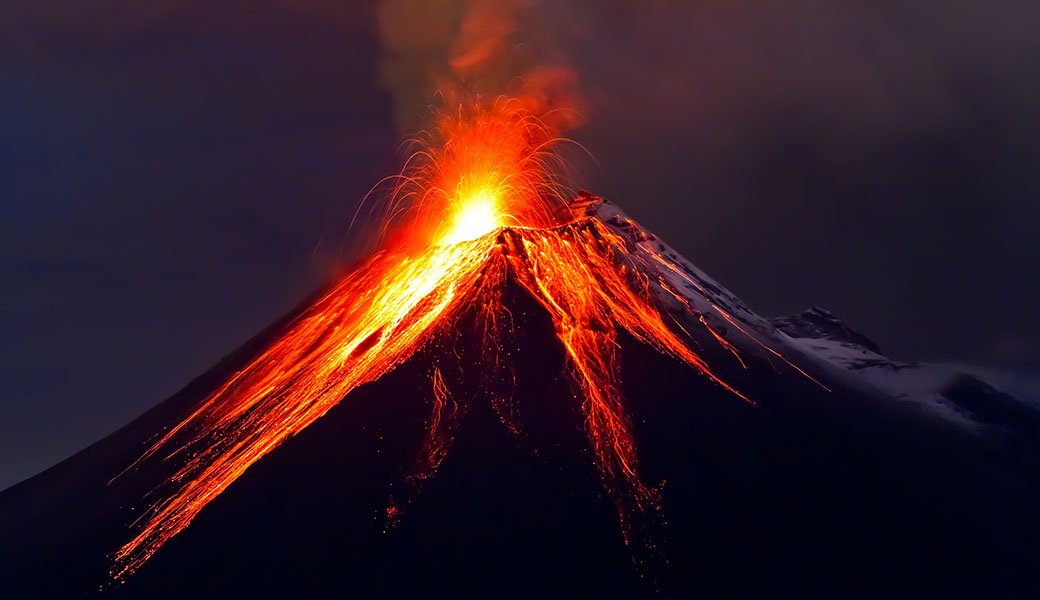
VEI 4 eruptions—classified as \"cataclysmic\" by volcanologists—represent a threshold for global atmospheric impact and potential disruption. Historical context matters here: major eruptions can affect aviation, climate patterns, and agricultural productivity. The market's slight lean toward \"zero eruptions\" reflects the base rarity of such events, yet the nearly 50-50 split underscores genuine uncertainty. Understanding volcanic risk profiles informs disaster preparedness, climate research, and policy decisions related to critical infrastructure.
Key Factors
Several variables shape current market odds. First, historical frequency provides crucial baseline data: the Smithsonian Institution's volcanic database shows that VEI 4+ eruptions occur roughly once every 1-2 years on average globally, though with high variability. Second, current volcanic monitoring indicates dozens of active volcanoes worldwide, with some—such as those in the Philippines, Indonesia, and the Pacific Ring of Fire—displaying elevated activity levels. Third, volcanic eruption forecasting remains inherently uncertain; while scientists can monitor precursory signals at known active sites, large surprise eruptions from dormant volcanoes cannot be ruled out. The market's 53.5% odds for zero major events suggests traders view 2026 as roughly average in expected volcanic risk, neither anomalously quiet nor particularly active.
Outlook
The market will remain sensitive to developments in volcano monitoring reports throughout 2025 and early 2026. Any credible alert of accelerating activity at known VEI 4+ candidates—particularly Sakurajima in Japan, Mount Merapi in Indonesia, or Colima in Mexico—could shift odds toward eruption. Conversely, a quiet first half of 2026 might gradually push probabilities higher toward zero eruptions. Final resolution depends on the Smithsonian GVP's 2026 data as of March 31, 2027, ensuring a months-long waiting period after the year ends before definitive settlement. The modest volume and stable price suggest informed participation rather than speculative volatility, typical of scientific forecast markets with longer time horizons.