Market Overview
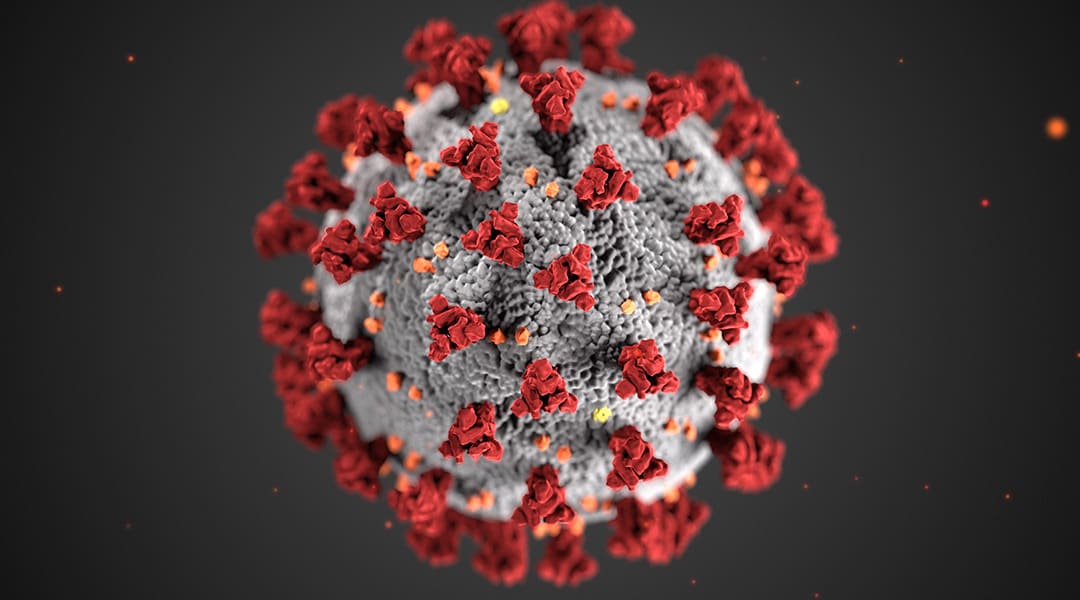
Prediction markets are currently assessing a 16.5% chance that a new COVID variant of concern will emerge by the end of 2026, based on the CDC's formal variant classification system. With over $237,000 in trading volume, this market reflects meaningful trader interest in tracking pandemic-related developments, though the probability has remained stable over the past 24 hours with no recent volatility. The specific timeframe—December 1, 2025 through December 31, 2026—captures a full calendar year of potential viral evolution and CDC monitoring.
Why It Matters
The emergence of a new variant of concern would carry significant implications for public health policy, pharmaceutical development priorities, and potentially renewed pandemic-related disruptions. The CDC's variant of concern designation represents the highest classification tier in its system, reserved for variants that demonstrate increased transmissibility, severe disease potential, or resistance to vaccines and treatments. Investors and institutions betting on this outcome are essentially wagering on whether SARS-CoV-2's natural evolution will produce a mutation meeting these stringent criteria during the specified window, rather than remaining within lower-severity classifications.
Key Factors
The subdued 16.5% probability reflects several stabilizing conditions in the current epidemiological environment. Widespread population immunity—from vaccination, prior infection, or both—remains elevated in most developed markets, creating a higher threshold for concerning variants to gain traction or pose acute public health threats. Additionally, COVID has become established as an endemic virus rather than an acute pandemic threat, reducing the urgency and visibility of surveillance for new variants compared to 2020-2022. The market odds also implicitly account for declining investment in genomic sequencing globally; reduced surveillance capacity would lower the likelihood of CDC-official designation even if new variants technically emerge.
Historically, new variants of concern have emerged irregularly and often unexpectedly. The delta and omicron variants demonstrated that significant mutations can arise within months, suggesting viral evolution remains unpredictable. However, no variant of concern has been designated since early 2023, and the current dominant lineages show relatively stable transmission characteristics. The market's low probability reflects this recent period of stability while acknowledging residual evolutionary risk inherent to RNA viruses.
Outlook
Shifts in this market would likely respond to either dramatic changes in COVID surveillance data—such as an unexpected surge in severe hospitalizations or reports of immune-evasive mutations—or developments in viral genomics indicating rapid evolutionary pressure. Increased sequencing capacity or public health agency alerts about variant monitoring would provide clarity but would not necessarily move odds materially unless accompanied by concrete epidemiological evidence. The current 16.5% pricing suggests traders view 2026 as likely to proceed without triggering CDC's most serious variant designation, consistent with the endemic stability established in recent years.