Market Overview
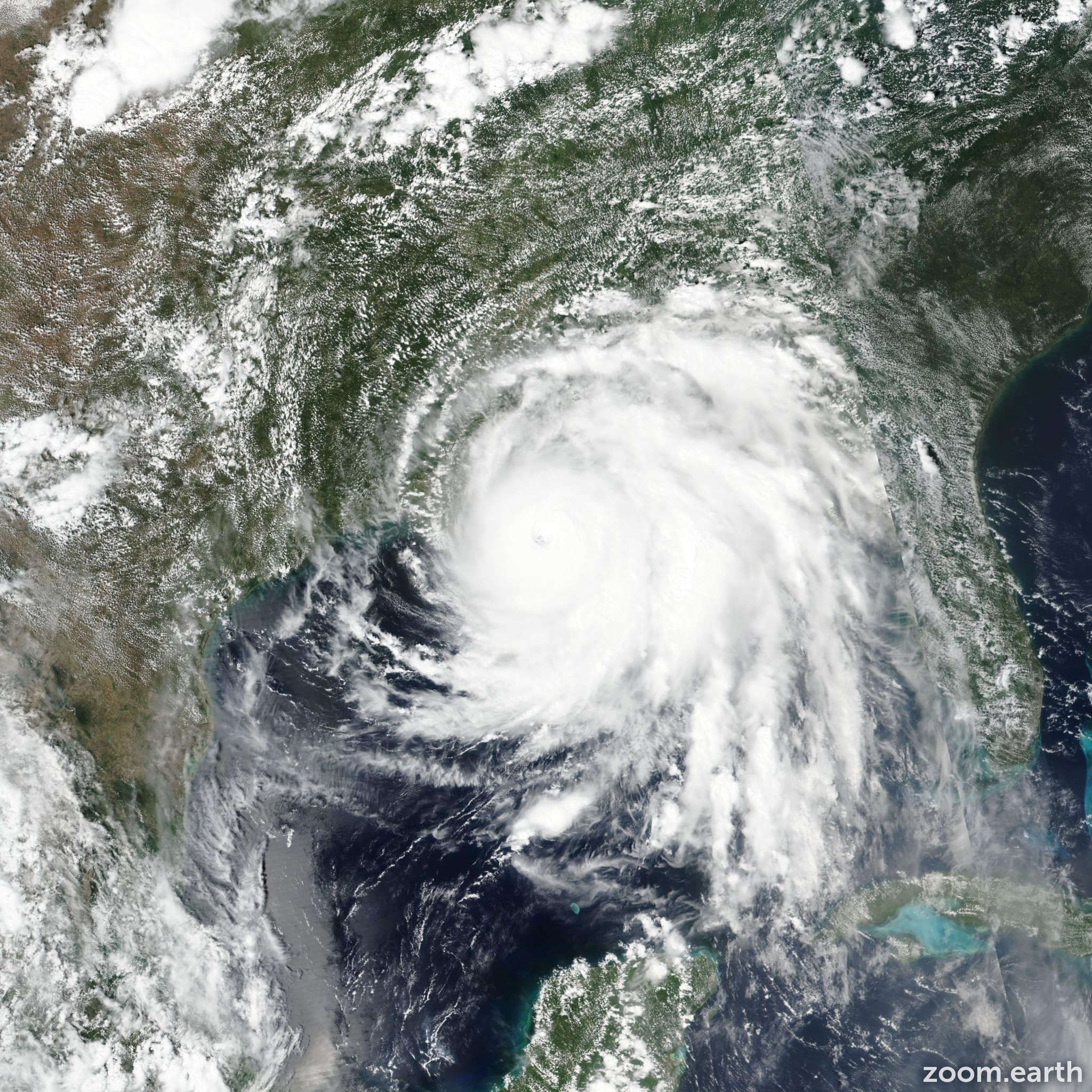
A prediction market tracking the likelihood of a Category 4 hurricane landfalling in the conterminous United States before 2027 is currently priced at 35%, with steady volume of $326,300. The market, which runs through December 31, 2026, defines a qualifying event as sustained winds of 130-156 mph at the moment the hurricane's center crosses the US coastline, as measured in National Hurricane Center official advisories. The static probability over the past 24 hours suggests the market has reached a consensus position absent new meteorological or seasonal forecasts.
Why It Matters
Category 4 hurricanes represent a critical threshold in hurricane severity, capable of producing catastrophic damage and significant loss of life. Unlike weaker storms, they pose existential risks to coastal infrastructure, energy networks, and population centers. For insurers, disaster preparedness officials, and coastal property stakeholders, the probability of such an event has direct financial and planning implications. The 35% figure reflects neither certainty nor negligible risk—it suggests roughly one-in-three odds over a 24-month period, a material baseline against which seasonal and climate conditions are evaluated.
Key Factors
Historical hurricane activity provides context for interpreting this probability. Over the past 30 years, Category 4 landfalls in the continental US have occurred at a rate of approximately one every 2-3 years, though the frequency is episodic rather than uniform. Notable recent examples include Hurricane Laura (2020) and Hurricane Charley (2004). The 35% probability for a ~24-month window aligns with this long-term trend, suggesting traders are pricing in typical seasonal risk without major elevation. Atlantic hurricane season dynamics—including sea surface temperatures, atmospheric wind shear, and El Niño conditions—will likely drive marginal shifts in this figure as 2024 and 2025 unfold. Current atmospheric patterns and climate models that emerge in coming months could shift trader expectations materially if they signal elevated or suppressed activity.
Outlook
The market's steady hold at 35% indicates traders are comfortable with a middle-ground assessment relative to historical norms. Key developments that could alter this probability include major revisions to seasonal hurricane forecasts from NOAA or academic institutions, significant changes in ocean temperatures heading into the 2024 and 2025 Atlantic seasons, or El Niño-Southern Oscillation shifts. Any actual Category 4 landfalls during the resolution window would, of course, resolve the market immediately. Until then, traders appear to be treating this as a baseline-risk event, neither discounting nor amplifying the historical frequency of such storms.