What Happened
A major prediction market tracking the likelihood of US military draft authorization by December 31, 2026, experienced a sharp 15-percentage-point move on Tuesday, with odds climbing from 10% to 25% on elevated trading volume. The market, which requires passage of legislation through both houses of Congress and presidential signature explicitly authorizing military conscription, saw approximately $223,624 in trading activity during the price movement. This magnitude of movement on high volume typically indicates market participants have processed new information they assess as materially increasing the probability of the outcome.
Why It Matters
Military draft authorization represents one of the most significant policy shifts in modern US governance, with implications extending far beyond defense procurement to affect millions of citizens of military age. The doubling of assessed probability—even from a relatively low baseline—signals that prediction market participants believe geopolitical conditions or policy signals have created a meaningful scenario where draft legislation could advance. Such authorization would require overcoming substantial political, legal, and social obstacles, making even a 25% probability assessment notable among informed market participants.
Market Context
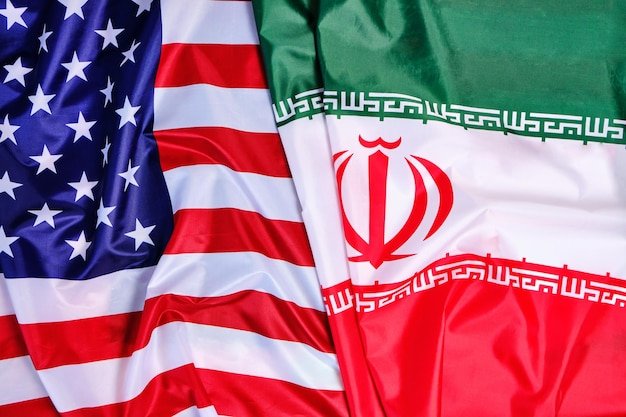
The timing of this movement coincides with multiple concurrent factors flagged in market tags: escalating Iran tensions, Trump administration policy statements, and broader geopolitical instability. Market participants frequently respond to political rhetoric, military posturing, or regional conflicts by adjusting probability assessments for consequential outcomes. The volume of trading suggests this was not a thin-market anomaly but reflected substantive capital repositioning based on perceived changes in underlying conditions. Prediction markets have demonstrated utility in aggregating dispersed information about policy probabilities, though outcomes remain inherently uncertain.
Outlook
The market structure suggests participants will continue monitoring near-term developments in US-Iran relations, Trump administration defense policy announcements, and broader Middle East stability. Draft authorization legislation would face multiple procedural and political hurdles regardless of geopolitical conditions, and the market probability remains below 30%, indicating participants assess such authorization as unlikely on a base-case scenario. Future price movements will likely track tangible policy signals—congressional statements, military planning disclosures, or escalation events—rather than abstract geopolitical risk.