Market Overview
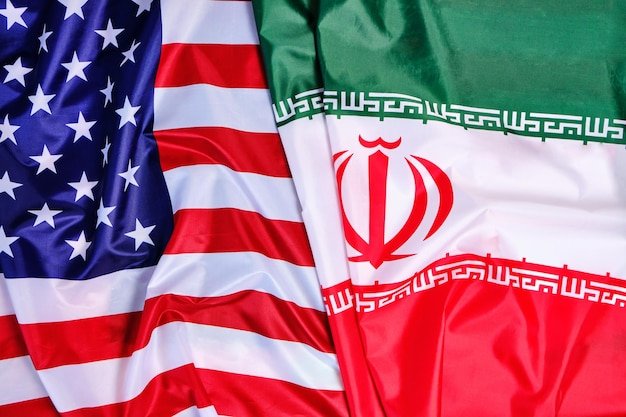
With $10 million in trading volume, the prediction market for a US-Iran permanent peace deal by May 2026 has settled at 22.5% probability—indicating traders view such an agreement as unlikely but not remote within the roughly 18-month timeframe. The probability has remained stable over the past 24 hours, suggesting the market has reached a price equilibrium reflecting current geopolitical conditions and historical precedent.
Why It Matters
A durable peace agreement between the United States and Iran would represent one of the most significant diplomatic achievements in decades, potentially reshaping Middle Eastern geopolitics and ending a period of escalating tensions that has included military strikes, proxy conflicts, and the near-collapse of the 2015 nuclear accord. The market's pricing reflects the magnitude and difficulty of such an undertaking, which would require both nations to resolve fundamental disagreements on nuclear programs, regional influence, and sanctions architecture.
Key Factors Driving the Probability
Several structural obstacles weigh heavily against agreement by May 2026. The definition in the market terms—requiring an explicit, permanent accord rather than temporary ceasefires or extensions—sets a high bar; even brief windows of diplomatic progress have historically been fragile and subject to reversal. Deep mistrust between the parties, domestic political constraints in both countries, and disputes over verification and enforcement mechanisms have frustrated previous negotiation attempts. Additionally, the timeframe is compressed; major arms control and peace agreements typically require years of confidential negotiations before public announcement. The 22.5% probability implicitly suggests traders estimate only a modest chance that either current diplomatic channels or an unforeseen shift in administration priorities could yield a qualifying agreement in this window.
Outlook
The stable pricing over recent periods indicates the market has absorbed available information about current talks and geopolitical positioning. Key developments that could substantially shift odds upward would include public announcements of direct bilateral negotiations, major shifts in regional proxy conflicts that reduce acute tensions, or statements from official channels indicating serious progress toward permanent arrangements. Conversely, any escalation in military incidents, nuclear program advancement, or domestic political hardening in either nation could compress the probability further. The definition's strict requirement for permanent rather than temporary agreements means even apparent breakthroughs could disappoint market participants if they fall short of true normalization.