Market Overview
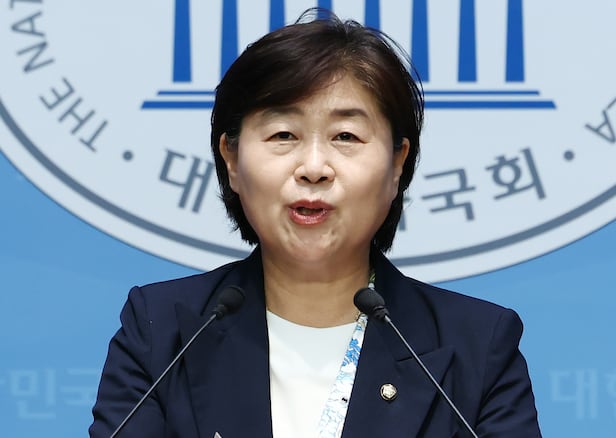
Seo Young-kyo is currently priced at 0.2% probability to win the June 3, 2026 Seoul mayoral election, according to prediction market data. The negligible odds place him among the longest of longshots in what remains an open contest more than 18 months away. Despite the remote probability assigned to Seo, the market has accumulated $3.2 million in volume, suggesting active interest in the broader mayoral race and significant capital allocated across multiple candidate outcomes.
Why It Matters
The Seoul mayoralty represents one of South Korea's most prominent political positions outside the presidency itself. The mayor oversees the capital city's 10 million residents and commands substantial budgetary and administrative authority. Election outcomes often carry national implications, as Seoul's political direction frequently signals broader trends in Korean politics. The 2026 race will occur roughly midway through the next presidential term, potentially reflecting voter sentiment on the sitting administration's performance.
Key Factors
The 0.2% probability assigned to Seo likely reflects several constraints. His apparent lack of major national profile—relative to other candidates presumably receiving higher odds—suggests limited name recognition or institutional backing among Seoul voters. South Korean mayoral contests typically favor candidates with strong party affiliation, prior electoral experience, or high public visibility. The absence of recent polling or prominent media coverage of Seo as a viable contender implies he may be a minor or unknown figure in the race's current dynamics. Additionally, the long timeline until June 2026 allows ample room for established political figures to consolidate support and shape voter expectations.
Outlook
For Seo's odds to move meaningfully higher, he would likely need significant developments such as major media coverage, prominent endorsements from established political figures, or entrance into the field as a high-profile candidate from government or business. Without such catalysts, his probability may remain in the negligible range throughout the pre-election period. The overall market structure—with substantial volume distributed across candidates—suggests broader uncertainty about the eventual field composition and frontrunners, a reasonable posture given the 18-month horizon before voting.