Market Overview
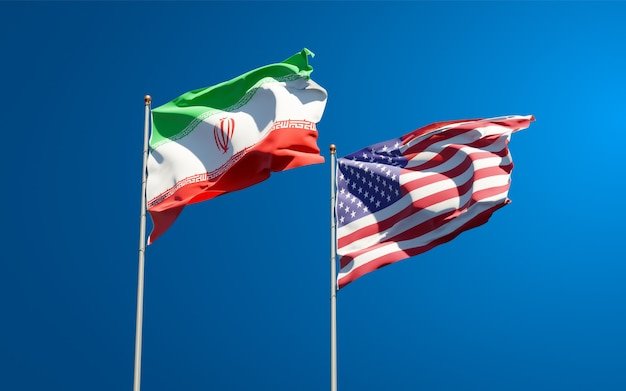
Prediction markets are currently pricing a US-Iran diplomatic meeting by the end of April 2026 at 16.5%, indicating traders view such an encounter as unlikely within the 16-month window. The market has remained stable at this level over the past 24 hours, with $4.1 million in volume, suggesting a relatively settled consensus among participants. The definition employed by the market includes both direct meetings and indirect talks conducted through authorized intermediaries or mediators, provided they are deliberately aimed at diplomacy or negotiation and publicly acknowledged or reported by credible media.
Why It Matters
The absence of sustained diplomatic dialogue between Washington and Tehran represents one of the most consequential international relationships lacking official channels. Any resumption of direct talks would signal a potential shift in Middle East geopolitics, affecting regional stability, nuclear negotiations, and broader US foreign policy. The low probability assigned by markets reflects not merely current conditions but the difficulty of reversing decades of mutual hostility and the multiple institutional, political, and strategic barriers that would need to be overcome for meaningful engagement to occur.
Key Factors
Several structural elements constrain the likelihood of a meeting. The 2015 Joint Comprehensive Plan of Action (JCPOA) remains unsigned by the United States following its 2018 withdrawal, and negotiations to restore it have stalled despite intermittent international mediation efforts. Domestic political constraints within both countries create disincentives for high-level engagement: US administrations risk domestic criticism for appearing to appease Iranian leadership, while Iranian officials face similar pressures from hardliners opposed to American negotiation. Additionally, recent years have seen escalating tensions over regional proxy conflicts in Gaza, Syria, Iraq, and Yemen, as well as Iranian-backed attacks on US interests, all of which complicate the diplomatic environment. Economic sanctions remain a significant point of contention, and the absence of immediate shared interests that would motivate talks—such as an imminent nuclear crisis or mutual security threat—reduces urgency on either side.
Outlook
For the probability to move meaningfully higher, several developments would likely be required: a major change in US presidential administration with markedly different Iran policy, a significant regional development forcing both parties toward the negotiating table, or decisive international mediation through trusted intermediaries such as Switzerland, Oman, or multilateral organizations. Conversely, escalation of regional tensions or domestic political hardening in either country could push probabilities even lower. The 16.5% pricing reflects a market view that while such a meeting remains possible—particularly if unforeseen circumstances create diplomatic necessity—the baseline trajectory points toward continued isolation absent substantial external shifts.