Market Overview
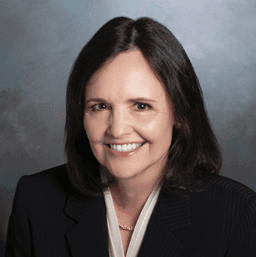
Prediction markets currently price the odds of Judy Shelton becoming the next Senate-confirmed Chair of the Federal Reserve at 0.8%, a level that has remained exceptionally low and stable over recent weeks. With over $15.8 million in trading volume, the market reflects substantial liquidity and active engagement, yet conviction remains heavily concentrated on alternative outcomes. The market's resolution criteria specify formal Senate confirmation to the Chair position specifically—neither recess appointments nor Board of Governors confirmation alone would qualify—and extends through December 31, 2026.
Why It Matters
The Federal Reserve Chair position represents one of the most influential economic policy roles in the United States, with decisions affecting interest rates, inflation management, and broader financial stability. Shelton, an economist and former Trump administration official, has been nominated to the Federal Reserve Board previously but has faced significant Senate opposition due to concerns about her views on central bank independence and monetary policy framework. Whether she might eventually be nominated or confirmed as Chair carries implications for policy direction and the Fed's institutional independence, making market assessment of her pathway relevant to investors tracking potential shifts in monetary policy approach.
Key Factors
Several factors constrain Shelton's path to the Chair role. First, Jerome Powell currently holds the position, with his term extending into 2026, meaning any nomination would require either Powell's departure before then or a failed renomination. Second, even if a vacancy emerged during a Republican administration, Shelton would face a Senate that may include substantial Democratic representation, creating confirmation challenges given prior opposition to her nomination. Third, the Fed Chair position traditionally emphasizes independence and orthodoxy in monetary policy, while Shelton's public statements have sometimes challenged conventional Fed doctrine, potentially making her controversial among moderate senators of both parties. Finally, numerous other economists and policy figures could be considered for such a position, fragmenting the probability space and reducing any single candidate's odds.
Outlook
For Shelton's probability to move meaningfully higher, several developments would be necessary: a political shift strongly favoring her candidacy within the Senate, a clear vacancy and administration decision to nominate her specifically to the Chair role, and a shift in consensus views about Fed independence and her policy positions. The current 0.8% probability reflects rational skepticism that such a combination will materialize by end of 2026. Markets will likely reassess this probability materially only upon actual nomination of a specific candidate to the Chair position, at which point the identity and Senate composition would become decisive factors. Until then, Shelton's odds appear anchored to structural and political headwinds.