Market Overview
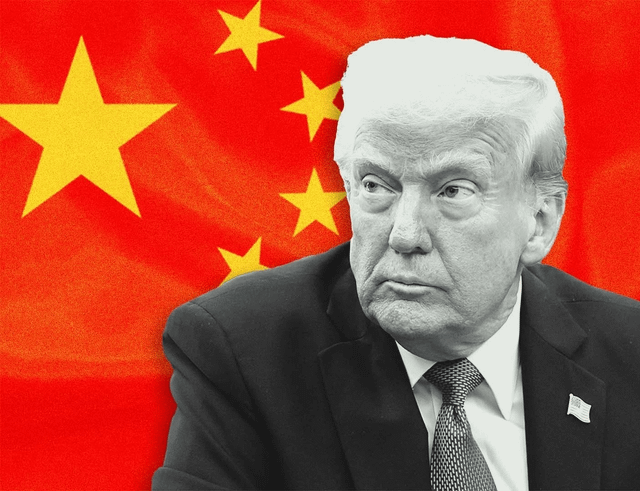
With $12.4 million in volume, the Trump-China visit market is pricing the prospect of a presidential trip to mainland China within the next 16 months at essentially negligible odds. The current 0.3% probability—down slightly from 0.4% a day prior—suggests market participants view such a visit as extraordinarily unlikely within the specified timeframe, though the substantial trading volume indicates genuine interest in monitoring this outcome.
Why It Matters
A Trump visit to China would carry significant geopolitical weight, potentially signaling a thaw in U.S.-China tensions or a major diplomatic initiative. Presidential visits to China typically represent carefully orchestrated diplomatic events with months of advance planning and preparation. The timing matters: April 2026 falls early in what would be Trump's second term, a window when major foreign policy resets have historically been possible but not common. Market participants appear to be pricing in the substantial friction in the current bilateral relationship and the logistical constraints of arranging high-level presidential travel.
Key Factors
Several factors appear to be driving the near-zero probability. First, the deteriorating state of U.S.-China relations over the past several years has created a diplomatic environment where such visits are not anticipated in the near term. Second, presidential visits to China require months of preparation involving security arrangements, diplomatic protocols, and advance negotiations—timelines that do not align with spontaneous or rushed travel decisions. Third, the Trump administration's recent emphasis on confrontational trade and technology policies toward China creates additional diplomatic friction. Finally, markets may be reflecting historical patterns: major presidential diplomatic resets typically occur later in administrations, not in the opening months following inauguration.
Outlook
For the probability to move significantly higher, a substantial shift in U.S.-China diplomatic posture would be required, coupled with public signals from the administration indicating serious visit planning. Conversely, if bilateral tensions worsen or if other foreign policy priorities dominate the early months of the Trump administration, the probability could decline further. The April 2026 deadline effectively captures only a narrow window; markets may see higher probabilities for visits later in the year or in subsequent years if diplomatic conditions change.