Market Overview
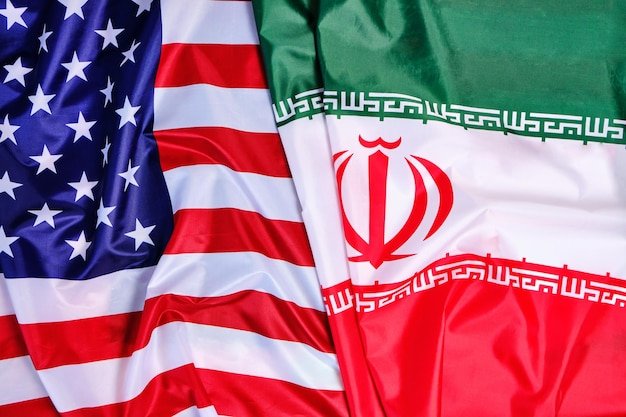
The prediction market for a permanent US-Iran peace deal by April 30, 2026, is trading at 3.9% probability, indicating that traders view such an agreement as highly unlikely within the next 17 months. The market has experienced significant volatility, with probability dropping roughly 5.6 percentage points in the past 24 hours, suggesting either new negative information or a market correction following an earlier spike. Despite the low odds, trading volume remains substantial at nearly $17 million, indicating active participation from both optimistic and skeptical traders.
Why It Matters
A permanent peace agreement between the US and Iran would represent a fundamental shift in Middle Eastern geopolitics and end decades of hostility, proxy conflicts, and periodic military escalations. The resolution criteria explicitly require either a signed written agreement or definitive public confirmation from both governments that military hostilities have permanently ceased—a high bar that reflects the historical difficulty of achieving such accords. For markets and policymakers alike, this binary proposition captures investor appetite for measuring the genuine probability of a transformative diplomatic breakthrough versus incremental confidence-building measures or temporary agreements.
Key Factors
The current 3.9% probability reflects several structural obstacles to near-term agreement. First, fundamental strategic interests of both nations remain misaligned; the US seeks constraints on Iran's nuclear program and regional proxies, while Iran prioritizes sanctions relief and regional influence. Second, the timeframe is compressed—16 months is short for complex multilateral negotiations, especially given previous rounds of talks have stretched over years. Third, domestic political constituencies in both countries oppose such an accord; hardliners in Iran and skeptics in the US Congress create headwinds for any agreement. The sharp 24-hour decline suggests traders may have adjusted expectations downward following a statement, policy announcement, or realization that interim diplomatic progress does not translate to near-term permanent agreement.
Outlook
For probability to materially increase, several developments would be required: a significant shift in either US or Iranian leadership toward negotiation; breakthrough agreements on nuclear safeguards or sanctions; or dramatic geopolitical realignment reducing regional tensions. Conversely, military escalation, new sanctions, or toughened rhetoric would likely push odds even lower. Given the market is pricing this at roughly 1-in-25 odds, traders are implicitly betting on unexpected diplomatic movement as the primary driver of a \"Yes\" resolution, while baseline expectations assume continued standoff.