Market Overview
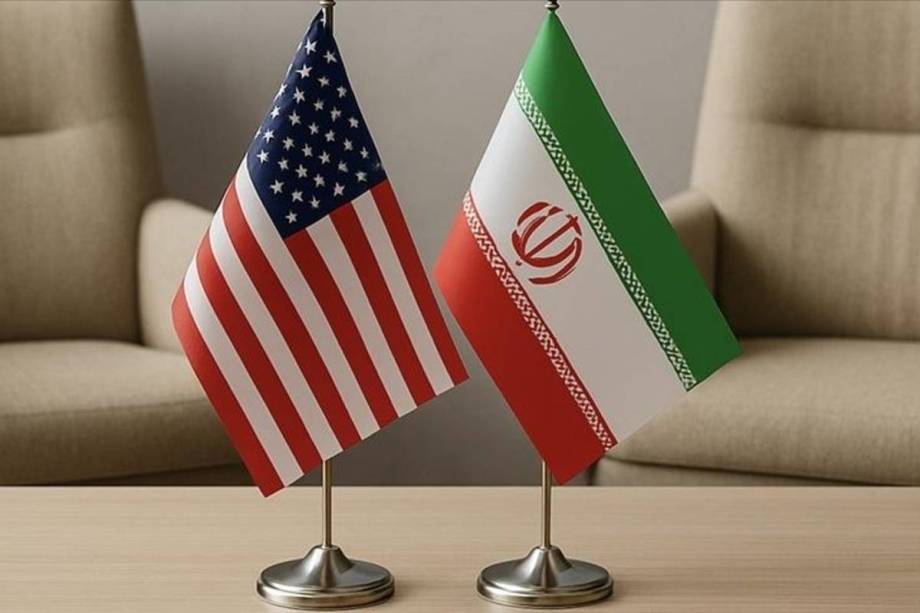
The prediction market on a US-Iran ceasefire by April 15 is currently pricing the outcome at 6.5% probability, following a notable 5-percentage-point decline over the past 24 hours. The market has attracted substantial trading volume of $11.7 million, indicating significant investor interest despite the relatively low odds. The sharp downward movement suggests either new information weighing against a near-term agreement or a recalibration by traders based on the proximity of the April 15 deadline and the absence of credible reports of active negotiations.
Why It Matters
A US-Iran ceasefire would represent a major geopolitical development with implications for regional stability in the Middle East, global oil markets, and US foreign policy. The high trading volume demonstrates that market participants view this outcome as consequential enough to warrant significant capital allocation, even at low probability levels. However, the stringent resolution criteria—requiring official, public confirmation from both governments of a mutually agreed halt in direct military engagement—set a high bar that excludes informal understandings, de-escalation measures, or tactical pauses.
Key Factors
Several structural factors appear to be driving the low and declining probability. First, direct US-Iran military relations have historically been characterized by persistent tensions rather than rapid diplomatic breakthroughs. Second, the market's explicit requirement for dual official confirmation means that backchannel negotiations or informal arrangements—however significant—would not qualify. Third, with less than two months remaining until the deadline, the timeframe for negotiating, drafting, and publicly announcing such an agreement is narrow. Finally, the recent downward movement may reflect trader skepticism that any negotiations currently underway are advancing toward a formal ceasefire announcement in the specified window.
Outlook
For the market to move materially higher, traders would likely require credible reporting of active, high-level negotiations or a public statement from either government indicating serious intent to pursue a formal agreement. Developments such as diplomatic back-channel communications being revealed, international mediation efforts gaining momentum, or escalating costs from the conflict prompting both sides to reconsider would potentially shift odds. Conversely, any new military incidents or escalatory rhetoric could further compress the probability. Given the current 6.5% level and the stringent definitional requirements, the market is essentially pricing in a low but non-negligible tail risk that an unexpected diplomatic breakthrough could occur in the coming weeks.