Market Overview
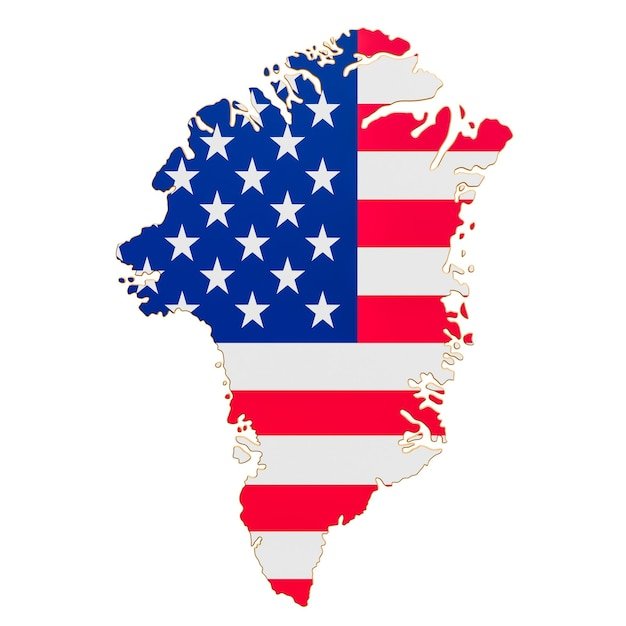
Prediction markets are pricing a one-in-six chance that the United States will acquire control of Greenlandic territory by December 31, 2026. The 16.5% probability has remained stable over the past 24 hours despite heavy trading activity, with over $9.5 million in volume, suggesting the market has settled on an equilibrium valuation. For resolution, the market applies a strict definition requiring either a formal transfer of sovereignty, a binding agreement establishing exclusive US jurisdiction over a defined area, or military acquisition—announcements, negotiations, or non-binding proposals alone do not qualify.
Why It Matters
The question captures a geopolitical scenario that seemed theoretical until recent months, when senior US officials including the president revived interest in acquiring or controlling Greenland. Greenland, an autonomous territory of Denmark with significant strategic value due to its Arctic location, natural resources, and potential military applications, has become a focal point in great-power competition discussions. The market probability reflects the tension between the seriousness of recent US interest and the substantial legal, diplomatic, and political barriers to actual acquisition within a two-year window. A successful US acquisition would represent a historic territorial expansion and mark a significant shift in Arctic geopolitics.
Key Factors
Several dynamics influence the current 16.5% assessment. First, formal diplomatic pathways remain underdeveloped; Denmark controls Greenland's foreign policy, and neither Copenhagen nor Nuuk has signaled willingness to sell or cede territory. Second, the timeframe is compressed—achieving sovereignty transfer or binding exclusive-control agreements typically requires extended negotiations and legislative ratification in multiple jurisdictions. Third, while US political interest exists, it has not yet translated into formal treaty proposals or binding legal instruments, the market's threshold for qualification. Fourth, international law and precedent suggest unilateral territorial acquisition outside military conflict is extremely difficult in the modern era. Finally, Greenlandic public opinion and the territory's semi-autonomous status complicate any arrangement.
Outlook
For the probability to rise materially, the market would likely require concrete developments such as a formal US proposal accompanied by legislative language, a signed bilateral agreement, or a definitive shift in Danish or Greenlandic official positions toward negotiations. The current 16.5% price likely reflects a baseline scenario in which political interest continues but does not culminate in binding legal commitments within the deadline. Conversely, sustained diplomatic momentum or a formal US initiative could push odds higher. The deadline of December 31, 2026, provides less than two years for processes that historically span years or decades, which appears factored into the relatively modest probability despite elevated political attention.