Market Overview
Prediction market participants are assigning substantial odds to a US-Iran nuclear deal within the next 18 months, with the current probability at 71.5%. The market has seen robust trading activity, with over $1.2 million in volume, indicating genuine participant interest and engagement. The recent 7.5-percentage-point decline from 79% suggests some moderation in near-term deal expectations, though the market still indicates participants view an agreement as more likely than not.
Why It Matters
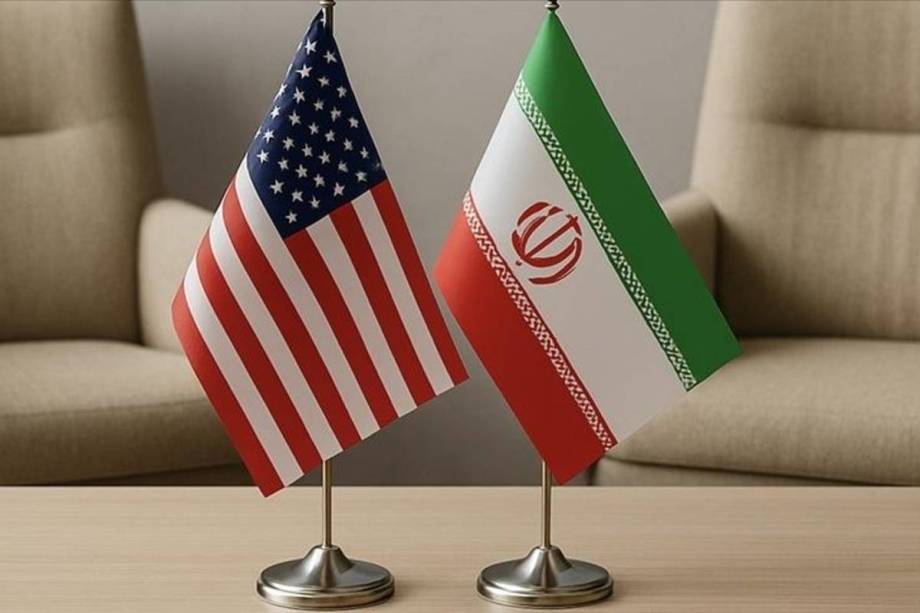
A US-Iran nuclear agreement would represent one of the most significant diplomatic developments in recent years, carrying implications for regional stability, energy markets, and US foreign policy. Any deal would need to address core concerns about Iranian nuclear weapons development and weapons-grade uranium enrichment, issues at the heart of previous negotiations. The resolution criteria are deliberately broad—including multilateral frameworks like the JCPOA—allowing for various diplomatic pathways to qualify. The market's current pricing reflects belief that diplomatic momentum could overcome substantial structural barriers.
Key Factors Driving the Probability
Several dynamics support the elevated odds. The prediction market appears to anticipate diplomatic opening following recent geopolitical shifts and leadership transitions. Historical precedent exists: the 2015 JCPOA demonstrates negotiators can reach comprehensive agreements on Iranian nuclear issues. However, headwinds are substantial. The current US administration's approach to Iran differs markedly from predecessors, regional tensions remain high, and both nations have cited extensive preconditions. The recent 7-point probability decline may reflect increasing skepticism about timeline feasibility, even if ultimate agreement remains plausible.
Outlook
For the probability to move materially higher, observers should monitor official statements signaling renewed negotiating channels, confidence-building measures on sanctions or uranium enrichment, or multilateral pressure supporting talks. Developments that could lower odds include hardened public positions from either nation, new sanctions escalations, or regional military tensions. The 18-month timeframe leaves substantial room for political calculations to shift. Markets will likely remain volatile as geopolitical conditions evolve, with any concrete indication of formal negotiations potentially reshaping participant expectations significantly.