Market Overview
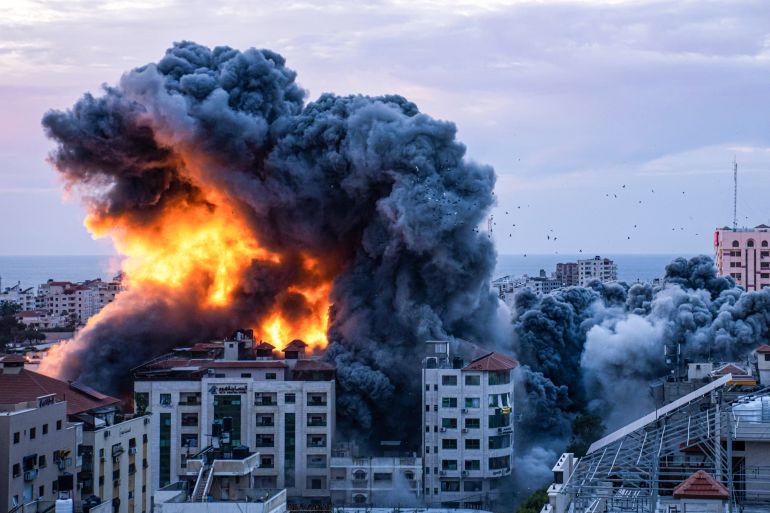
A prediction market tracking the likelihood of a U.S. or Israeli military strike on Iran's Isfahan Nuclear Technology Center is currently priced at 100%, indicating traders believe a kinetic attack is certain to occur before March 31, 2026. The market, which has generated $1.37 million in trading volume, has maintained this maximum probability reading for at least 24 hours, suggesting sustained conviction rather than a momentary spike in sentiment. The market defines qualifying actions narrowly to include drone strikes, missile attacks, aerial bombardments, and ground operations—while excluding cyber operations, sanctions, and diplomatic measures. Notably, intercepted or missed strikes would not trigger resolution to \"Yes,\" meaning traders are pricing near-certainty of a successful kinetic engagement.
Why It Matters
The Isfahan Nuclear Technology Center is a critical node in Iran's nuclear infrastructure, housing uranium conversion facilities that are central to international concerns about Iran's nuclear program. A strike on this facility would represent a major escalation in regional tensions and carry significant implications for global energy markets, international relations, and the broader Middle East conflict landscape. The market's extreme certainty reflects either a belief among traders that escalation is imminent or, conversely, may indicate an illiquidity issue or data anomaly in how the market's odds are being calculated. Understanding why traders have priced this at absolute certainty is essential for gauging actual conviction versus technical market factors.
Key Factors
Several dynamics inform the geopolitical context underlying this market. The U.S. and Israel have expressed repeated concerns about Iranian nuclear advancement, and both nations have previously conducted or acknowledged military operations against Iranian nuclear infrastructure and proxies. Recent tensions between Iran and Western powers, including disputes over nuclear inspections and uranium enrichment levels, have elevated baseline threat perceptions. However, the 100% probability presents interpretive challenges—genuine geopolitical prediction markets rarely achieve such extreme certainty on contingent events, particularly over an 18-month window encompassing numerous potential policy shifts, diplomatic interventions, and strategic recalculations by multiple actors. The high trading volume suggests serious market participation, but the uniform pricing warrants scrutiny regarding whether this reflects dominant-information conviction or market structure issues.
Outlook
The sustainability of 100% pricing depends on whether this represents true market consensus or reflects technical factors such as limited liquidity, algorithmic pricing, or information cascades among traders. In reality, the probability of a military strike on a major Iranian nuclear facility over the next 18 months depends on variables that remain genuinely uncertain: Iranian nuclear acceleration decisions, international diplomatic efforts, domestic political changes in the U.S. or Israel, and escalation dynamics in ongoing regional conflicts. Any significant diplomatic breakthrough, renewed nuclear negotiations, or perceived de-escalation in broader Middle East tensions could materially shift conviction. Conversely, documented evidence of rapid Iranian nuclear progress or major regional destabilization could reinforce the current pricing. Traders monitoring this market should consider whether 100% reflects informed judgment about inevitable escalation, or whether it reveals gaps in market efficiency that may resolve as new information emerges.