What Happened
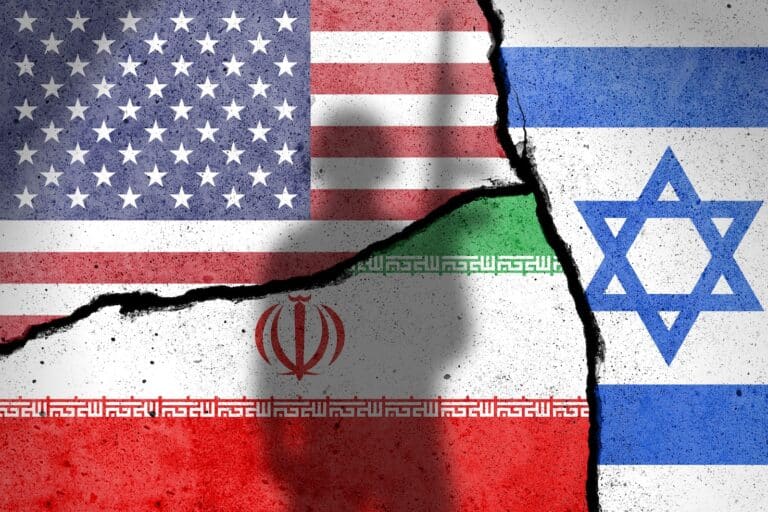
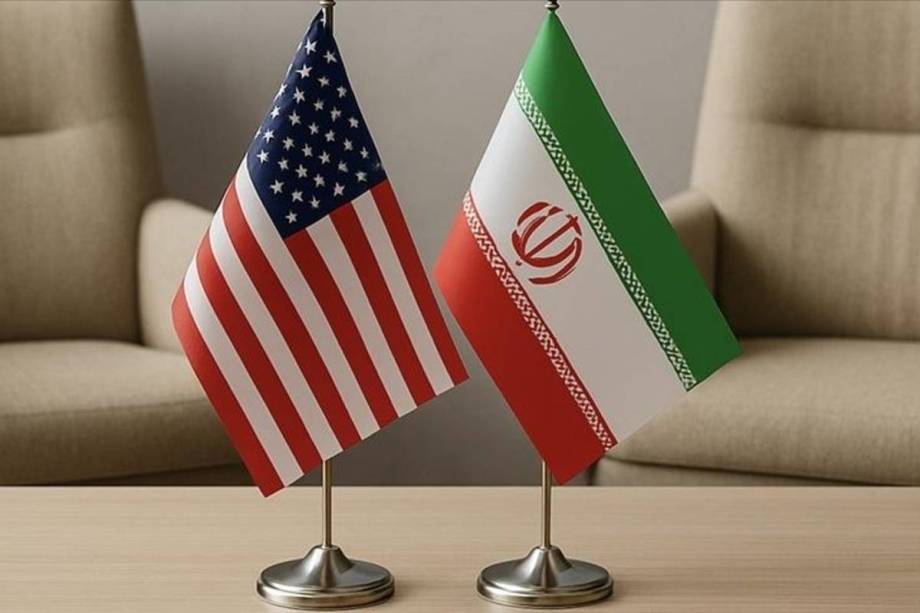
A prediction market contract asking whether the United States and Iran will officially extend their April 7, 2026 ceasefire agreement saw its implied probability decline 15 percentage points to 60% on $810,267 in trading volume. The sharp move indicates a material shift in market expectations regarding the likelihood of the two countries reaching a formal agreement to continue halting direct military hostilities beyond the initial two-week period. The contract requires clear public confirmation from both governments or overwhelming media consensus confirming an official extension for a \"Yes\" resolution.
Why It Matters
The ceasefire between the United States and Iran represents a significant de-escalation in Middle East tensions. Market movements on diplomatic outcomes often reflect real-time information asymmetries, with sophisticated traders incorporating news flows, diplomatic signals, and geopolitical developments faster than headline sentiment can capture. A 15-percentage-point repricing in a high-volume market suggests traders have incorporated substantive new information—whether statements from either government, leaked negotiation details, or observable changes in military positioning—that meaningfully reduced the probability of a successful extension.
Market Context
The previous 75% pricing implied traders viewed an extension as more likely than not, reflecting optimism about renewed negotiations or signals of mutual interest in continuation. The move to 60% suggests this confidence has eroded considerably, though the contract still prices in slightly better-than-even odds for an extension. The significant volume accompanying this repricing indicates this was not merely algorithmic rebalancing but rather a deliberate reassessment by market participants responding to new information in a consequential geopolitical event.
Outlook
Prediction market prices in this category typically tighten as resolution dates approach and new developments emerge. With the April 7 ceasefire's initial two-week window set to expire around April 21, 2026, market participants will likely continue recalibrating based on public statements from US and Iranian officials, diplomatic back-channel reports, and any announced negotiation milestones. The current 60% pricing suggests the market now views extension scenarios as genuinely competitive with non-extension outcomes, reflecting heightened uncertainty about whether both parties will find sufficient common ground to formalize an extended agreement.