Market Overview
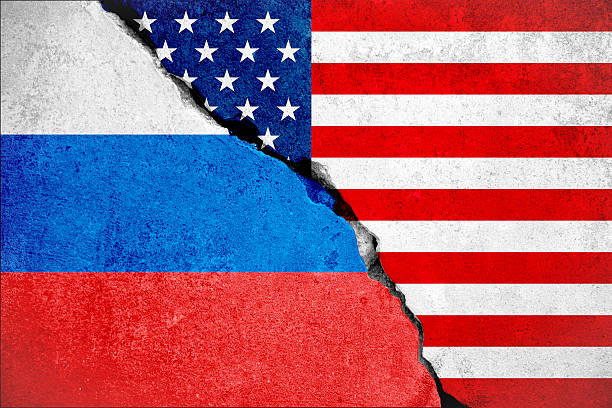
Prediction market participants are assigning a 4% probability to a direct military encounter between U.S. and Russian armed forces occurring between January 2026 and December 31, 2026. This low probability has remained stable over the past day, with trading volume of $1.08 million suggesting moderate but sustained interest in the outcome. The market's definition of \"military encounter\" is narrow and specific: it requires actual use of force such as missile strikes, artillery fire, or gunfire—excluding non-violent confrontations, cyberattacks, and even collisions without weapons deployment.
Why It Matters
Direct military conflict between the world's two largest nuclear powers would represent an unprecedented escalation with potentially catastrophic global consequences. The question is significant precisely because the probability assigned remains low; markets are implicitly forecasting that Cold War-style tensions and proxy conflicts will continue without crossing into overt military engagement. This assessment influences risk calculations for energy markets, defense contracting, international diplomatic planning, and broader geopolitical risk premiums across global financial markets.
Key Factors
Several structural factors support the current low probability assignment. First, both powers maintain nuclear arsenals, creating a powerful mutual deterrent against direct confrontation despite rhetorical hostility. Second, the historical pattern shows U.S.-Russia military interactions—including the 2021 Black Sea incident and 2023 drone collision cited in the resolution criteria—have stopped short of kinetic warfare. Third, geographic separation limits accidental escalation pathways compared to ground conflicts; most interactions occur over contested airspace and international waters where protocols and precedent exist. However, ongoing proxy conflicts in Ukraine and Syria, along with expanded NATO presence near Russian borders, create persistent flashpoints where miscalculation remains possible. The market's 4% probability implicitly reflects a judgment that these tensions, while serious, contain mechanisms to prevent escalation to direct state-on-state military action.
Outlook
Developments that could shift this probability include major escalation in the Ukraine conflict involving direct NATO intervention, significant terrorist attacks blamed on either power against the other's homeland or interests, or unexpected leadership changes altering strategic calculations in Washington or Moscow. Conversely, diplomatic breakthroughs or de-escalation in proxy conflicts could push the probability lower. The market's current pricing suggests traders view 2026 as likely to continue current patterns of tension and competition short of direct warfare, though the 4% tail risk reflects genuine uncertainty about geopolitical trajectories over a two-year horizon.