Market Overview
Prediction market traders are pricing a military strike against Iran's Isfahan Nuclear Technology Center as a virtual certainty, with the contract trading at 100% probability as of the latest snapshot. The market, which requires either Israeli or US kinetic military action—including drone strikes, missiles, or aerial bombing—by March 31, 2026, has commanded significant activity with over $1.3 million in trading volume. The probability has held steady at this maximum level for at least the past 24 hours, indicating sustained trader conviction rather than reaction to breaking news.
Why It Matters
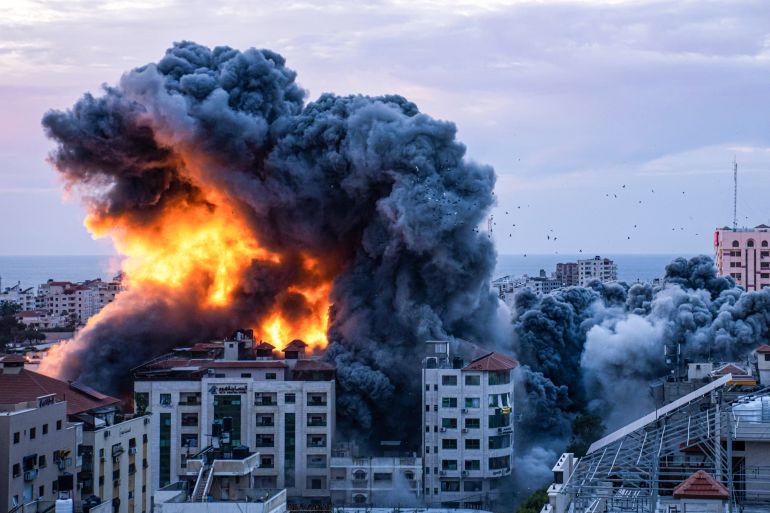
The Isfahan Nuclear Technology Center is a key facility in Iran's nuclear infrastructure, and any military strike against it would represent a dramatic escalation in regional hostilities and a potential turning point in the broader Middle East conflict. Such action would mark a direct kinetic attack on Iran's civilian nuclear program by a Western power, crossing a threshold that has long been contemplated but never executed at this scale. The market's assessment carries implications for energy markets, geopolitical stability, and the viability of nuclear diplomacy in the region. A strike would likely trigger significant consequences for global oil prices, financial markets, and the trajectory of US-Iran relations.
Key Factors
Several structural factors appear to underpin the market's 100% assessment. Recent escalations in Israeli military operations in the region, combined with rhetoric from both Israeli and US officials regarding Iran's nuclear program, have created an environment where traders view offensive action as highly probable. The market's resolution criteria are notably specific—requiring successful strikes that are not intercepted or miss their targets—yet participants remain undeterred from maximum pricing. This suggests either that traders believe such an operation, if undertaken, will succeed, or that they view the likelihood of an attempt materializing as overwhelmingly probable regardless of execution risk. The timeframe extending to March 31, 2026 provides roughly 15 months for such an event to occur, creating ample window for developments. However, the 100% pricing also leaves no room for alternative scenarios, including successful diplomatic resolution, continued status quo with the facility, or Israeli and US restraint despite nuclear advances.
Outlook
Markets at extreme probability levels—particularly at the 100% boundary—often contain embedded assumptions worth scrutinizing. This price point leaves zero probability mass for diplomatic breakthroughs, technical delays in military planning, or political constraints that might constrain action. Historical precedent suggests that even high-probability geopolitical events frequently do not occur as markets price them; the failed prediction of Iraq's weapons of mass destruction and various unfulfilled military escalation scenarios demonstrate the difficulty of forecasting state behavior. Developments that could shift this market include unexpected diplomatic initiatives, changes in US or Israeli leadership priorities, Iranian nuclear program halts or inspections, or international pressure constraining military options. Conversely, further Iranian nuclear advances, rhetorical escalation, or regional incidents could reinforce maximum pricing. Traders should monitor both overt developments in nuclear diplomacy and quieter shifts in strategic positioning that might signal actual operational planning.