Market Overview
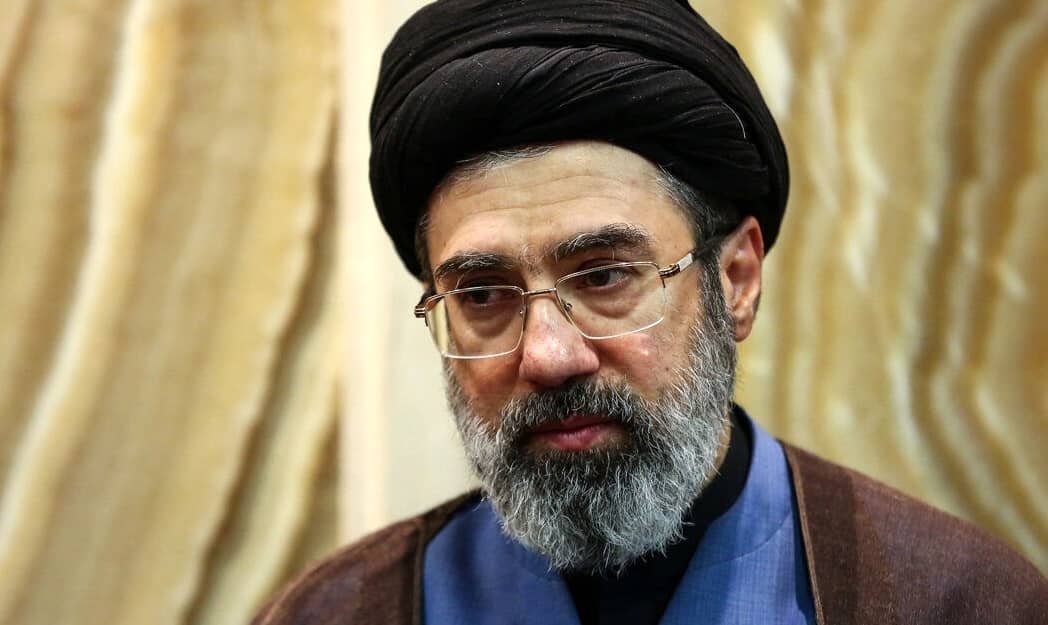
Prediction markets are currently assigning a one-in-three probability to a leadership transition in Iran involving Supreme Leader Mojtaba Khamenei before the end of the year. The market has accumulated over $2 million in trading volume, indicating substantial investor interest in Iran's political future. The stable probability over the past 24 hours suggests the market has reached an equilibrium around this assessment, with traders balancing competing scenarios about Iran's near-term political trajectory.
Why It Matters
Iran's supreme leader holds ultimate authority over the country's military, judiciary, and state media, making the identity and stability of this position a critical factor in Middle Eastern geopolitics. Any transition in supreme leadership would have profound implications for Iran's domestic governance, nuclear negotiations, regional conflicts, and international relations. For investors, businesses, and policymakers tracking Iran exposure, the roughly one-third probability embedded in this market reflects material uncertainty about political continuity in a strategically important nation.
Key Factors
The 33.5% probability reflects several overlapping considerations. Mojtaba Khamenei's ascension as supreme leader in 2024 following his father's death was historically significant, creating inherent uncertainty about the stability and legitimacy of a relatively new succession. The market's assessment suggests traders view multiple pathways to a leadership change as plausible within the next several months: health complications, internal power struggles within Iran's clerical establishment, external military or political pressure, or mass unrest challenging the regime's authority. Iran's volatile regional situation, ongoing sanctions, and documented internal elite divisions all factor into the probability, as does the historical precedent that Iran's political transitions can occur with limited advance warning.
Outlook
The market's current probability—substantially higher than the baseline odds of any given major political transition—indicates meaningful perceived risk but falls short of suggesting imminent change. Developments that could shift this probability upward include escalations in regional conflicts, documented health issues affecting Khamenei, visible signs of elite faction breakdown, or widespread civil unrest. Conversely, any demonstration of consolidated support for Khamenei's leadership, successful management of regional tensions, or passage of time without incident could lower the probability. The market will likely remain sensitive to real-time developments in Iran's political situation, with major geopolitical events potentially triggering sharp repricing.