Market Overview
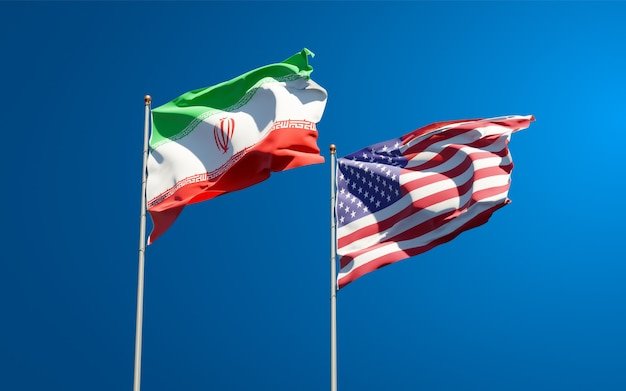
Prediction markets are assigning a 33.5% probability to a U.S. military invasion of Iran before December 31, 2026, according to current pricing. With over $17.6 million in trading volume, the market reflects significant participant interest in one of the most consequential geopolitical scenarios affecting global stability. The probability has remained flat over the past 24 hours, indicating a measured consensus rather than reactive positioning to breaking news.
Why It Matters
A U.S. military offensive targeting Iranian territory would represent a major escalation in Middle Eastern conflict with cascading implications for global markets, energy prices, and regional power dynamics. The three-year window through 2026 captures a critical period of diplomatic uncertainty and political transition, including the current U.S. administration's stance on Iran policy. The market's one-in-three assessment suggests participants view the scenario as plausible but not probable—a meaningful tail risk rather than a base case expectation.
Key Factors Driving Probability
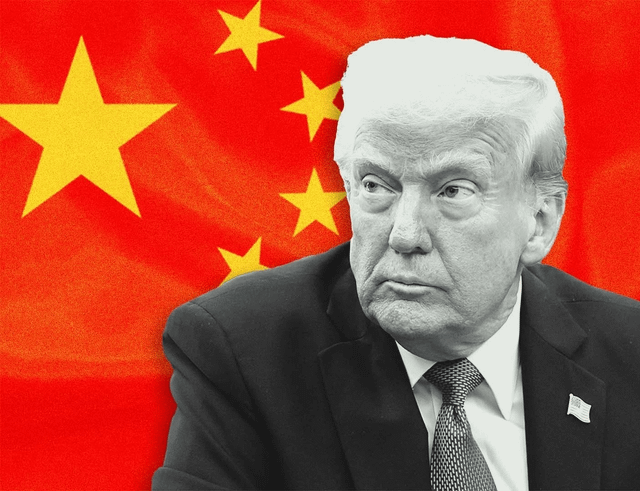
Several structural factors support the elevated odds. Iran's nuclear program remains a central point of contention, with negotiations over the Joint Comprehensive Plan of Action (JCPOA) stalled and uranium enrichment levels rising. Regional proxy conflicts involving Iranian-backed militias in Iraq, Syria, and Yemen create constant friction points and potential triggering incidents. The incoming Trump administration's historical skepticism toward the Iran nuclear deal and preference for maximum pressure policies introduces additional uncertainty. Conversely, the substantial economic and military costs of sustained conflict, domestic U.S. opposition to new military interventions, and potential Chinese and Russian objections at the UN Security Council provide counterweights reducing invasion probability.
Outlook
Movement in this market would likely track developments in nuclear negotiations, statements from senior U.S. and Iranian officials, escalations in proxy conflicts, or shifts in regional security incidents. A resumption of JCPOA talks or significant de-escalation gestures could lower odds; conversely, Iranian nuclear breakthroughs or major attacks on U.S. allies could push probability higher. Traders should monitor policy announcements from the new administration, International Atomic Energy Agency reports on Iranian enrichment activities, and any major incidents in contested waters or proxy theaters as key triggering events.