Market Overview
Prediction markets are currently pricing the probability of a U.S. military invasion of Cuba by December 31, 2026, at 26.5%, with trading volume of approximately $1.53 million indicating moderate but sustained interest in the outcome. The probability has remained stable over the past 24 hours, suggesting the market has reached a relatively settled view absent recent triggering events. This level implies traders view such an invasion as a meaningful tail risk—unlikely under baseline assumptions but plausible enough to warrant significant probability weight.
Why It Matters
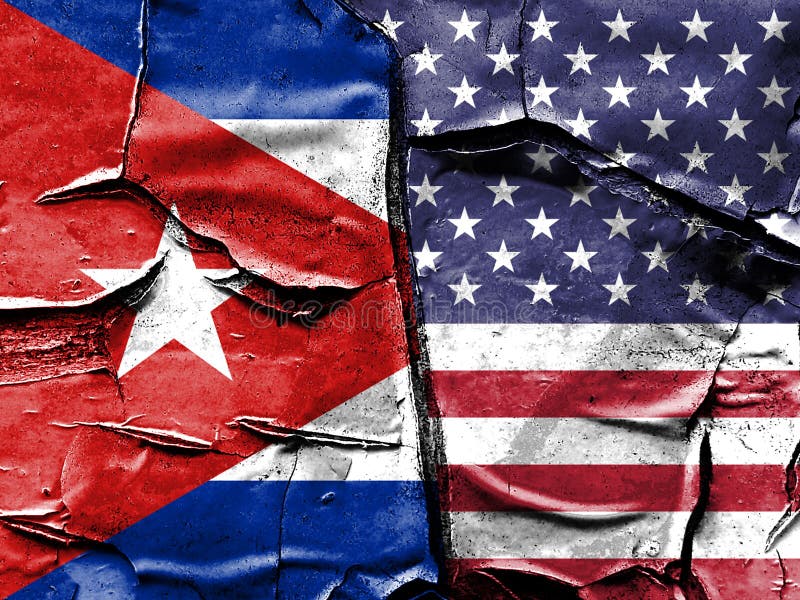
A U.S. military invasion of Cuba would represent one of the most significant geopolitical events in the Western Hemisphere in decades, with profound implications for regional stability, U.S.-Latin American relations, and Cold War-era tensions that have periodically resurfaced. The 26.5% probability reflects market participants' assessment that while an outright invasion remains a low-probability event, the combination of U.S.-Cuba tensions, potential humanitarian or security crises, or regime instability creates non-negligible scenario risk within an 18-month timeframe. Understanding what underpins this probability helps clarify how markets are weighing regional contingencies.
Key Factors
Several structural factors appear to be driving the market's current pricing. First, U.S.-Cuba diplomatic relations remain strained, with the Biden administration largely maintaining Trump-era policy restrictions while rhetoric has occasionally escalated around migration, asylum, and human rights concerns. Second, Cuban economic deterioration and occasional reports of social unrest create a latent destabilization scenario—though such internal conditions have persisted for years without triggering external military intervention. Third, the market may be pricing low but non-zero probability of a major security incident, humanitarian emergency, or third-party threat emerging from the island that could trigger a rapid escalation. Fourth, historical precedent (the Bay of Pigs in 1961) demonstrates that U.S. administrations have contemplated Cuban intervention, though the political, international legal, and domestic costs have risen substantially since the Cold War.
Outlook
Market movement will likely depend on concrete developments rather than slow-moving geopolitical sentiment. A significant deterioration in Cuba's humanitarian situation, direct security threats to U.S. territory, or major internal instability could drive odds higher; conversely, diplomatic reopening or demonstrable regime stabilization could compress the probability. The current 26.5% level appears to reflect traders treating a 2026 invasion as a genuine but distant contingency—one that would require a substantial shift in either Cuban conditions or U.S. administration priorities to materialize. Barring dramatic escalation, markets may remain range-bound unless new triggering events emerge.