Market Overview
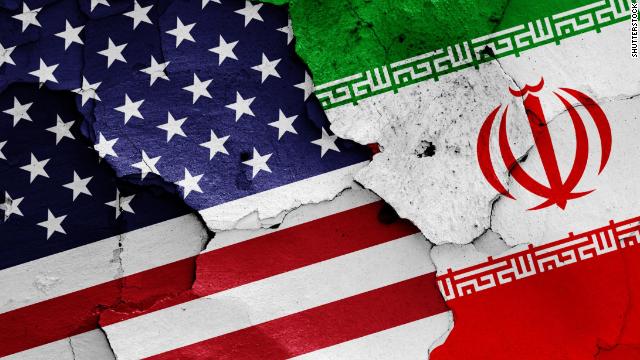
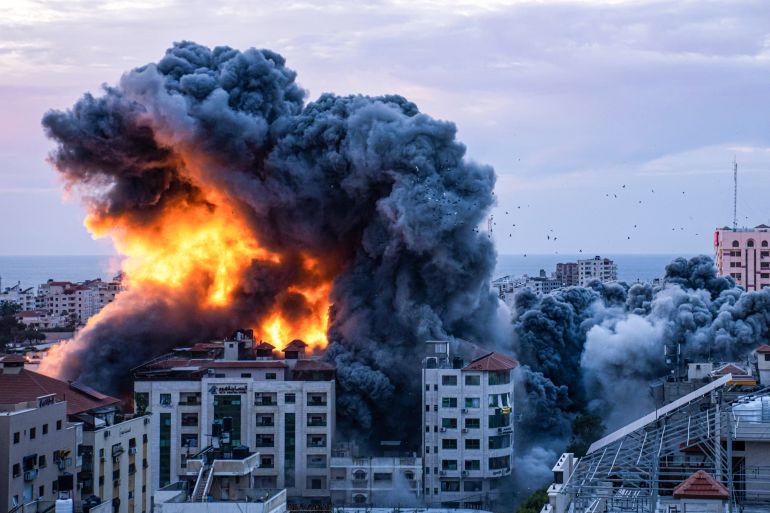
A prediction market tracking the likelihood of a U.S. or Israeli military strike on Iran's Isfahan Nuclear Technology Center is trading at a 100% probability of such an event occurring before March 31, 2026. The market, which has generated over $1.3 million in volume, has maintained this maximum certainty level for at least the past 24 hours, indicating consistent trader conviction rather than a recent spike driven by breaking news.
The market specifically encompasses kinetic military actions—including drone strikes, missile attacks, aerial bombardments, and ground operations—but excludes cyber operations, sanctions, or diplomatic measures. Notably, the definition also requires successful strikes; intercepted or missed attacks will not trigger resolution.
Why It Matters
Isfahans nuclear facility represents a strategically significant target in discussions of Iranian nuclear capability. The facility conducts uranium conversion work central to Iran's nuclear program, making it a focal point in broader debates about nuclear proliferation and regional security. A strike would represent a dramatic escalation in Middle East tensions and could trigger broader conflict between regional and global powers. For investors and analysts monitoring geopolitical risk, this market reflects assessments of how current tensions may evolve over the next 15 months.
Key Factors
The 100% probability reflects an exceptionally high-risk environment. Several factors underpin this assessment: deteriorating diplomatic relations following the 2018 U.S. withdrawal from the Iran nuclear deal, recent rounds of tit-for-tat military exchanges between Israel and Iran, Israeli military capabilities and demonstrated willingness to strike Iranian targets, and stated U.S. strategic commitments to regional allies. Additionally, uncertainty around U.S. policy direction and shifting Middle East dynamics create an environment where traders view such a strike as nearly inevitable within the specified timeframe.
However, a 100% probability warrants scrutiny. Prediction markets occasionally reach extreme readings during periods of heightened uncertainty or when information asymmetries favor certain trader cohorts. This maximum probability may reflect either genuine consensus that escalation is certain, or it may indicate that traders have priced in tail risks with insufficient distinction between high probability and absolute certainty.
Outlook
Developments that could shift this assessment include sustained diplomatic breakthroughs, significant de-escalation in regional tensions, changes in U.S. political leadership or strategic posture, or Iranian actions perceived as reducing nuclear program advancement. Conversely, any new provocative incidents, accelerated Iranian nuclear activities, or statements from Israeli or U.S. leadership explicitly threatening strikes could further entrench the maximum probability reading. The market's current state suggests traders view military action as effectively priced-in rather than conditional—a view that may warrant reassessment if geopolitical conditions shift materially in either direction.