Market Overview
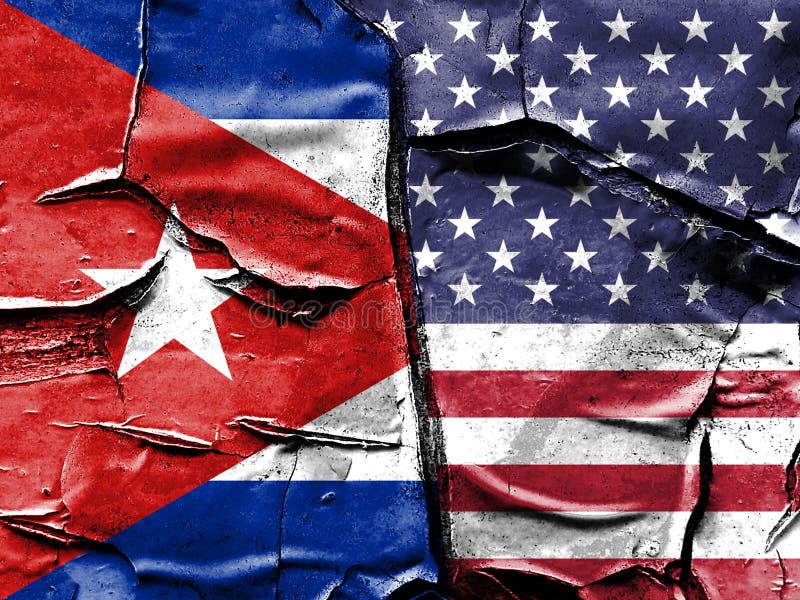
Prediction markets are currently pricing a roughly one-in-three chance of a US-initiated aerial or missile strike on Cuban territory by December 31, with the probability holding steady at 36.5% over the past 24 hours. Trading volume of approximately $1 million suggests meaningful participant engagement with the question. The market's definition is narrowly tailored to aerial weapons systems—drones, missiles, and bombs—excluding naval shelling, artillery, cyberattacks, and intercepted strikes. Resolution hinges on credible reporting and acknowledgment by US officials.
Why It Matters
While Cuba remains under a decades-old US embargo and has long been a source of diplomatic friction, the current 36.5% probability reflects traders' assessment that geopolitical risks have shifted materially. A direct US military strike would represent a severe escalation in US-Cuba relations and could carry broader implications for regional stability and international law. The market's willingness to assign more than one-in-three odds to such an event signals that participants perceive genuine conditional risks—scenarios in which rapid escalation becomes possible—even if they remain below 50-50.
Key Factors
Several dynamics likely underpin the current pricing. First, recent US political rhetoric and leadership transitions can influence perceived willingness to undertake military action. Second, any incident at Guantanamo Bay, espionage operations, or provocative Cuban actions could create triggering events. Third, broader US military posture in the Western Hemisphere—including deployments or stated strategic priorities—shapes baseline assumptions. Fourth, the market may reflect uncertainty itself: without clear, ongoing crisis coverage, traders may be pricing a tail risk of sudden escalation rather than expecting imminent action. The definition's requirement for public credibility reporting or official acknowledgment also matters; covert strikes might not trigger resolution.
Outlook
For the probability to move materially higher, concrete developments would likely be needed: explicit US threats toward Cuban targets, a significant incident implicating Cuba in regional instability, or dramatic shifts in US military positioning. Conversely, stabilizing diplomatic engagement or passage of time without incident could lower the odds. The current 36.5% reflects a baseline of geopolitical tension and the inherent uncertainty of policy decisions, rather than a response to breaking news or announced plans. Traders will likely remain attuned to political statements, military movements, and any inflammatory incidents that could shift expectations of escalation risk before year-end.