Market Overview
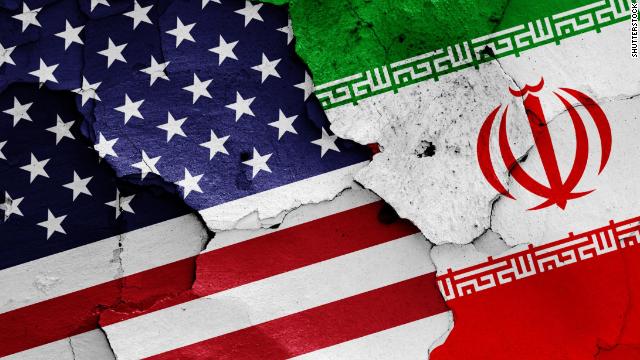
The market for US military entry into Iran by year-end has settled at an extreme probability skew, with traders assigning only a 0.7% chance of the event occurring. With $17.9 million in volume, this represents one of the most heavily trafficked geopolitical prediction markets, indicating substantial trader interest despite the lopsided odds. The probability has remained stable at 99.3% for the past 24 hours, suggesting the market has reached an equilibrium price that reflects current geopolitical conditions and trader expectations.
Why It Matters
Direct military entry into Iran would represent a dramatic escalation in US-Iran tensions and could trigger regional instability with global repercussions. The market's near-consensus rejection of this scenario through December 31 suggests traders believe the threshold for such direct action—despite existing frictions over Iran's nuclear program, regional proxy activities, and recent rhetoric—remains sufficiently high that policymakers will pursue alternative approaches. The specific resolution criteria, which exclude diplomatic visits, intelligence operations, and contractors, focus narrowly on kinetic military engagement involving active-duty forces, making the threshold deliberately high.
Key Factors
Several structural factors support the market's bearish assessment of military entry. First, any direct US military incursion would require either a significant escalation in Iranian provocation or a major shift in the Trump administration's strategic calculus—neither of which appears imminent as of late 2024. Second, the short timeframe (only weeks remaining) leaves minimal room for the kind of crisis escalation that could trigger such action. Third, military options against Iran carry substantial costs, risks to US personnel, and potential for regional conflict expansion, factors that typically constrain policy options even during periods of heightened tension. Recent history shows the US has preferred drone strikes, cyber operations, and targeted assassinations as lower-cost alternatives to ground incursion.
Outlook
For the market to shift materially toward higher probability of entry, a significant triggering event would be necessary—such as a major Iranian attack on US forces or direct Iranian escalation. The current pricing effectively discounts any scenarios short of dramatic crisis escalation. Traders should monitor statements from US military leadership, developments in Iran's nuclear program, and any major incidents involving US and Iranian forces in the coming weeks, as these could catalyze rapid repricing. However, barring such developments, the market's 99.3% probability reflects a stable expectation that direct military entry will not occur before year-end.