Market Overview
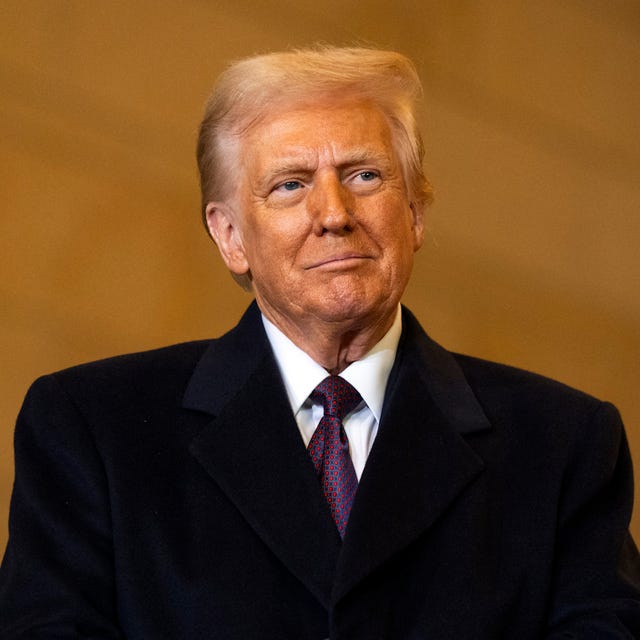
Prediction markets are pricing Donald Trump's chances of winning the 2026 Nobel Peace Prize at 6.5%, unchanged from the previous day despite over $2.6 million in trading volume. This probability places Trump as a minor contender in what remains an open race, with the odds suggesting roughly a 1-in-15 chance the former and current U.S. president will receive the award. The market's stability indicates that traders have largely settled on a valuation that reflects both Trump's diplomatic record and the committee's historical selection criteria.
Why It Matters
The Nobel Peace Prize carries significant symbolic weight in global diplomacy and carries implications for how major political figures are perceived internationally. A Trump victory would represent a notable departure from recent committee preferences and could reshape narratives around his foreign policy legacy. Conversely, the low probability reflects market consensus that other candidates—likely focusing on humanitarian crises, peacebuilding, or human rights advocacy—remain far more competitive. The market's assessment will track whether Trump's involvement in any active peace negotiations or diplomatic breakthroughs gains traction with Norwegian judges before the 2026 announcement.
Key Factors
Several considerations underpin the current 6.5% valuation. Trump's documented diplomatic initiatives, including past negotiations with North Korea and involvement in Middle Eastern discussions, provide some foundation for candidacy. However, significant headwinds persist: the Norwegian Nobel Committee has historically favored candidates emphasizing humanitarian concerns, conflict prevention, and consensus-building over polarizing political actors. Trump's controversial public statements, legal challenges, and divisive political positioning create additional friction with the committee's traditional values. The market's tiebreaker rules—which prioritize Trump over other listed figures including Zelenskyy, Netanyahu, Putin, and Musk if multiple candidates win jointly—provide marginal upside, but this scenario remains speculative.
Outlook
The probability could shift materially based on several developments before the October 2026 announcement. Any major Trump-brokered peace agreement, particularly involving high-stakes conflicts such as Ukraine or the Middle East, could substantially improve his odds. Conversely, escalations in conflicts where Trump is diplomatically engaged, or continued legal and political controversies, would likely push probabilities lower. Market observers should monitor both Trump's diplomatic activities over the next 18 months and any signals from the Nobel Committee regarding its evaluation criteria. Given the committee's demonstrated preference for humanitarian and grassroots peacebuilding work, maintaining odds below 10% appears consistent with historical patterns unless Trump's diplomatic portfolio undergoes significant material change.