Market Overview
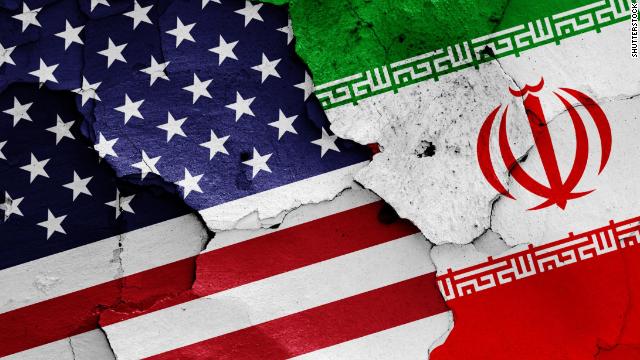
With $17.9 million in trading volume, the market on whether active US military personnel will physically enter Iran by December 31 is showing a 99.3% probability of \"No\"—a position that has remained stable over the past 24 hours. This near-consensus pricing reflects a baseline geopolitical expectation: despite long-running US-Iran tensions, direct military intervention involving boots on Iranian soil remains a low-probability event in traders' collective assessment.
Why It Matters
The resolution criteria are deliberately narrow, excluding diplomatic missions, intelligence operations, and military contractors while requiring actual terrestrial entry rather than aerial or maritime operations. This specificity matters because it separates genuine military invasion or occupation from the covert, air-based, or diplomatic activities that characterize much US-Iran strategic competition. The market thus captures traders' view of the single most escalatory scenario: a conventional military operation involving deployed ground forces on Iranian territory. Such an event would represent a fundamental shift in US Middle East policy and would carry significant global implications for oil markets, regional stability, and international law.
Key Factors
Several structural factors support the current probability. Historical precedent shows that despite multiple crises—including the 2020 Soleimani assassination and subsequent Iranian missile strikes on US bases in Iraq—the US has not executed a full ground invasion of Iran. The operational and political costs would be severe: Iran's population exceeds 88 million, its terrain is mountainous and defensible, and both US military resources and domestic political appetite for a new major ground war remain constrained. Additionally, no credible reporting has indicated active planning for such an operation as of late 2024. The broad window through December 31 provides ample time for escalation, yet the market's stability suggests traders view this period as unlikely to contain a catalyst sufficient to trigger direct ground intervention.
Outlook
The high probability reflects not complacency but rather the natural state of geopolitical risk when an extreme scenario is being priced: most traders expect the status quo of tension, covert operations, and proxy conflict to persist. For the market to shift materially, developments would need to include direct military action by Iran against US territory or forces, an explicit US policy decision to invade, or a catastrophic attack attributed to Iran that shifts the political calculus. Absent such events, the market's 99.3% \"No\" price appears likely to hold as a reflection of baseline expectations rather than a failure to account for tail risks.