Market Overview
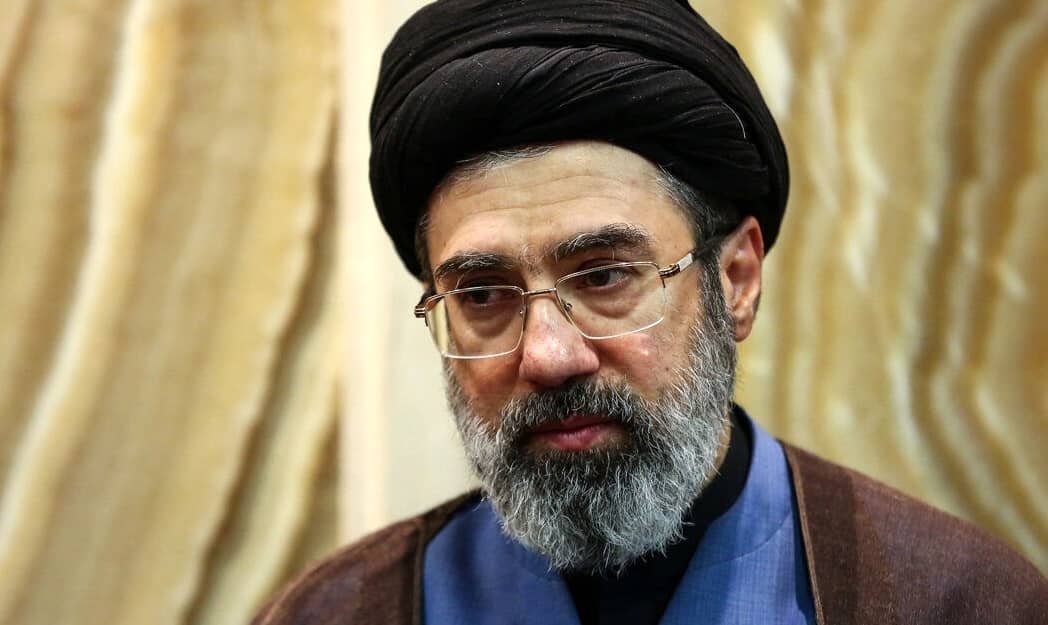
Prediction markets are currently assigning a 33.5% probability to a change in Iran's leadership before the end of 2024, with substantial trading volume of $2.08 million indicating significant market interest in the question. The market specifically tracks whether Mojtaba Khamenei, the current Supreme Leader, will be removed from power, detained, or otherwise prevented from acting as Iran's de facto leader. The stable probability over the past 24 hours suggests the market has settled into a baseline assessment rather than reacting to breaking news, reflecting the inherent uncertainty surrounding Iran's opaque power structures and succession dynamics.
Why It Matters
The composition of Iran's leadership has far-reaching implications for regional stability, nuclear negotiations, and geopolitical alignment in the Middle East. A change in the Supreme Leader would represent a fundamental shift in Iranian governance and could signal either internal power consolidation, health-related succession, or systemic political upheaval. For investors, policymakers, and analysts monitoring Iran, the market's assessment provides a quantitative gauge of how likely observers view near-term leadership disruption—information that carries consequences for sanctions policy, diplomatic engagement, and regional security calculations.
Key Factors
Several structural factors underpin the current market probability. Mojtaba Khamenei's health status remains a central consideration, as the aging Supreme Leader's medical condition has periodically drawn public speculation. Factional divisions within Iran's political elite—between pragmatists, hardliners, and Revolutionary Guard factions—create the underlying conditions for power struggles should a succession become imminent. The market's assignment of roughly one-in-three odds suggests traders view a leadership change as materially possible but not probable within the timeframe, balancing awareness of Iran's succession vulnerabilities against the entrenched nature of the current regime.
Outlook
The stability of these odds over the short term indicates that no single development has dramatically shifted market sentiment recently. However, several developments could move probabilities significantly: deterioration in the Supreme Leader's health, high-profile defections or purges within the security apparatus, or escalation of internal factional conflicts could all shift traders toward higher probabilities. Conversely, consolidation of power and stable public appearances by Khamenei could lower odds. Given the opacity of Iranian decision-making and the compressed timeframe remaining in 2024, the market's current assessment reflects genuine uncertainty rather than confidence in either outcome.