Market Overview
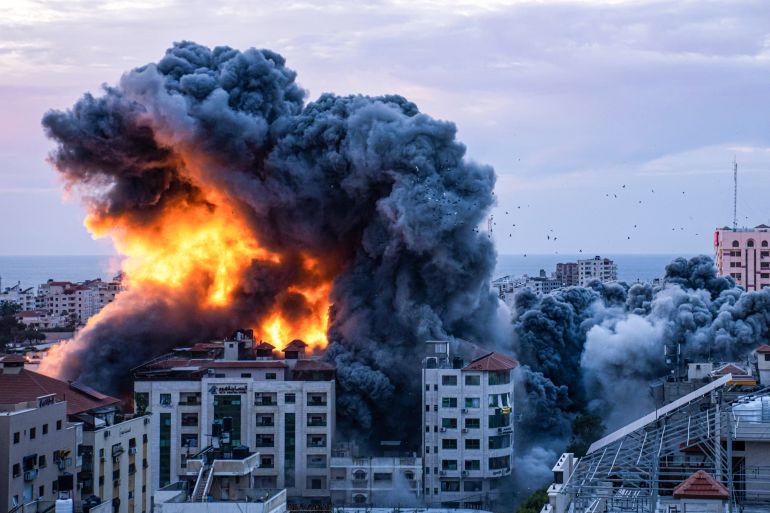
A prediction market focused on potential U.S. or Israeli military action against Iran's Isfahan Nuclear Technology Center is trading at 100% probability, implying near-absolute certainty that a kinetic strike will occur by March 31, 2026. The market has maintained this ceiling price for at least the past 24 hours, with $1.37 million in volume, suggesting meaningful participation despite the extreme probability assignment. The question specifically requires a successful strike—intercepted or missed strikes do not trigger resolution—yet traders are still pricing certainty into this outcome.
Why It Matters
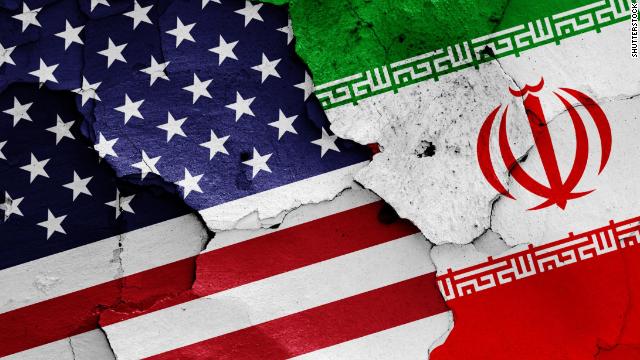
The Isfahan Nuclear Technology Center is a critical facility in Iran's nuclear infrastructure, making it a potential military target in any broader U.S. or Israeli campaign against Iranian nuclear capabilities. A strike on this facility would represent a dramatic escalation in Middle Eastern tensions and likely trigger significant geopolitical consequences, including potential Iranian retaliation and broader regional instability. The 100% probability being assigned in this market diverges substantially from public statements by U.S. and Israeli officials, who have not indicated imminent or inevitable military action. This disconnect raises important questions about either market efficiency or the information being priced in by traders.
Key Factors
Several dynamics could explain the market's extreme pricing. First, prediction market participants may be incorporating non-public intelligence or assessing the trajectory of U.S.-Iran tensions as inherently leading to conflict. Second, the market structure itself—with binary resolution and a long time horizon through March 2026—may be subject to illiquidity or thin trading that allows extreme prices to persist. Third, some traders may view military action as eventually inevitable given historical patterns of escalation in the region, pricing in a \"worst-case\" scenario rather than assessing current likelihoods. Alternatively, the market may be reflecting hawkish positioning from a concentrated group of traders without representing broader consensus.
Outlook
The current 100% probability appears disconnected from mainstream geopolitical analysis, suggesting the market may be overestimating either the imminence or inevitability of such a strike. Key developments that could shift this market include direct diplomatic breakthroughs reducing U.S.-Iran tensions, Iranian concessions on nuclear programs, or explicit international agreements constraining military options. Conversely, any credible intelligence of imminent Iranian nuclear weapons development or a significant regional escalation could reinforce the market's positioning. Traders should note that maintaining 100% probability across a 15-month window is unusual and may reflect limitations in market depth rather than genuine certainty about future events. The gap between this market price and expert consensus warrants skepticism about the reliability of this particular price signal.