Market Overview
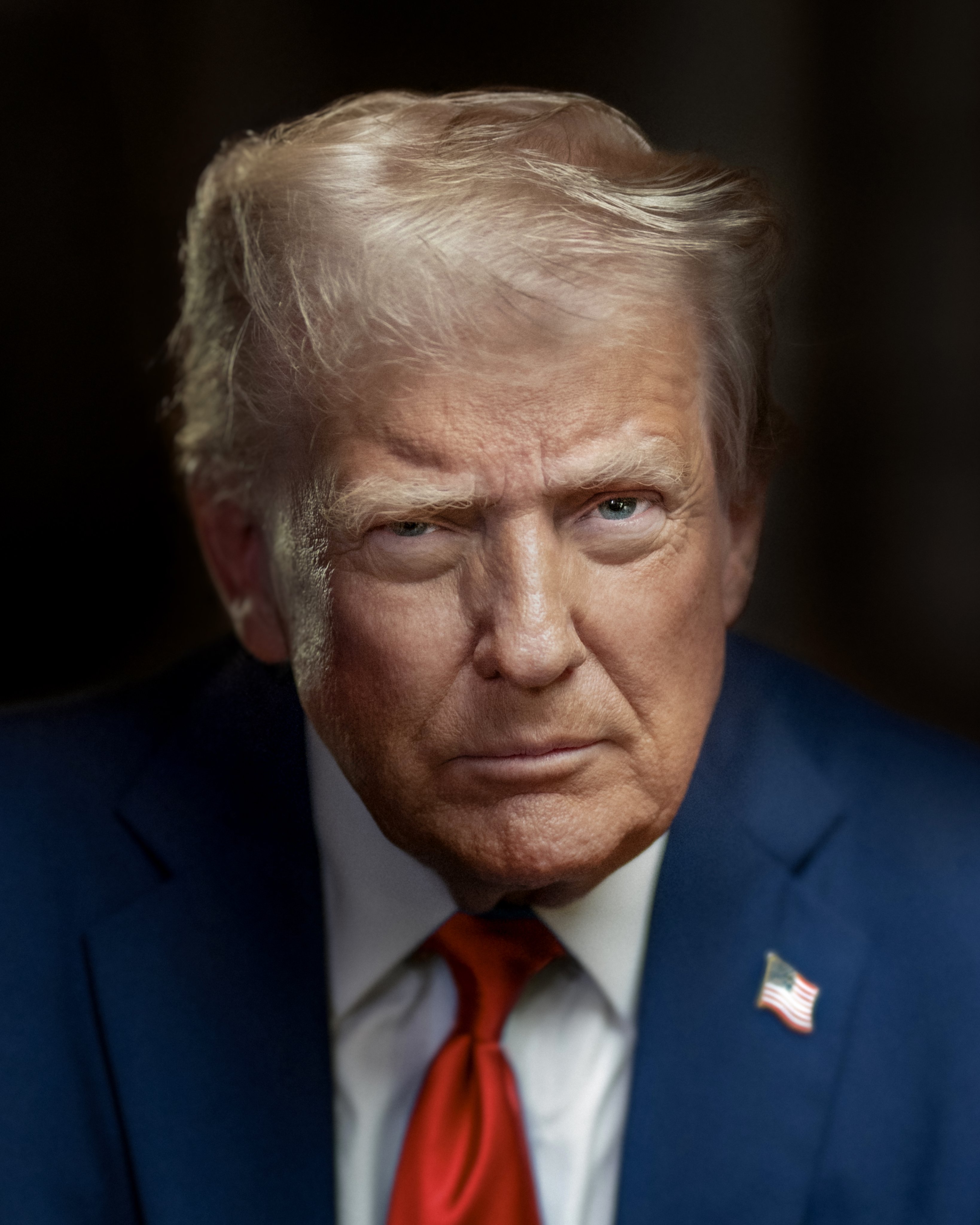
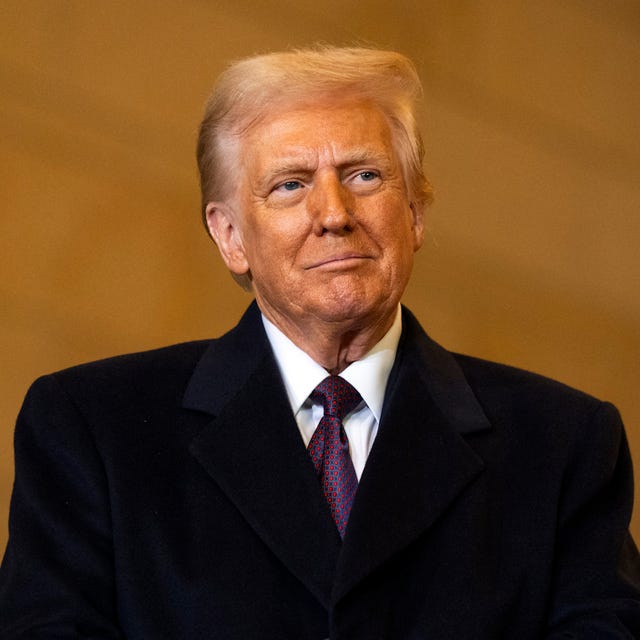
Prediction markets currently assign a 6.5% probability to Donald Trump winning the Nobel Peace Prize in 2026. With roughly $2.6 million in trading volume, the market reflects modest but sustained interest in the outcome. The odds have remained flat over the past 24 hours, indicating stability in market sentiment rather than reaction to breaking developments. The 2026 prize will be announced in October 2025, giving investors and analysts approximately 12 months to assess evolving geopolitical circumstances that could shift the probability.
Why It Matters
The Nobel Peace Prize carries symbolic weight in global diplomacy, and historical precedent suggests that sitting or recently prominent political figures occasionally receive consideration. Trump's prior diplomatic initiatives—most notably the Abraham Accords brokered in 2020—have been cited by supporters as potential grounds for recognition. However, the Norwegian Nobel Committee has consistently weighted factors including efforts to abolish or reduce standing armies, advancement of peace congresses, and humanitarian work. The market's modest 6.5% odds reflect tension between Trump's demonstrated engagement in diplomatic negotiations and the committee's historical skepticism of purely transactional geopolitical agreements.
Key Factors
Several variables could influence the final outcome. First, geopolitical developments in 2025 and early 2026—particularly regarding Ukraine, Taiwan, or Middle East tensions—could either enhance Trump's positioning as a peace broker or diminish expectations for conflict resolution through U.S. channels. Second, the broader political climate in Scandinavia and among Nobel Committee members may affect openness to controversial figures; the committee has previously steered away from awarding the prize to polarizing political leaders. Third, competing candidates and organizations typically nominated for the prize could absorb attention and votes, mathematically reducing Trump's share of consideration. The market's tiebreaker rules, which prioritize Trump first among five listed individuals, ensure that any shared award including him would resolve in his favor—a structural feature that marginally increases his effective probability relative to other potential laureates.
Outlook
The 6.5% probability reflects a consensus view that while Trump remains a plausible nominee and candidate, systemic factors—including the committee's historical criteria, international perception, and the depth of the global nominee pool—make his selection unlikely. Movements in this market will likely correlate with perceptions of Trump's diplomatic activity, credible reporting on Nobel Committee deliberations, and shifting geopolitical circumstances that could reframe his role as a peacemaker. Barring a significant diplomatic breakthrough or unexpected committee signal, the market odds are expected to remain in the single-digit range through the 2026 award announcement.