Market Overview
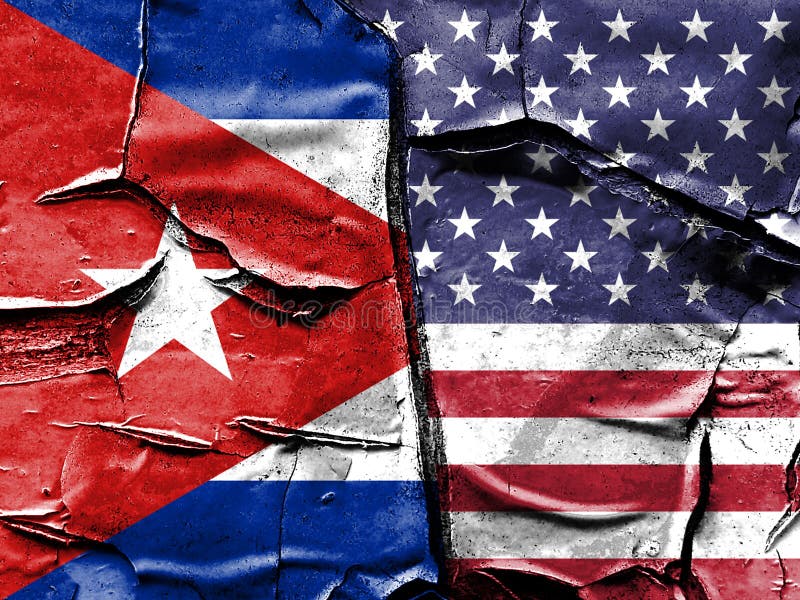
The question of whether the United States will invade Cuba in 2026 is trading at 26.5% probability on a major prediction market platform, with approximately $1.53 million in trading volume. This relatively high odds for a military conflict scenario reflects genuine uncertainty among market participants about U.S.-Cuba relations over the next 12 months. The stable probability over the past 24 hours indicates the market has settled into a relatively balanced view rather than reacting to acute geopolitical shocks.
Why It Matters
A U.S. military invasion of Cuba would represent one of the most significant geopolitical developments in recent decades, fundamentally altering regional security dynamics and drawing substantial international condemnation. The market's assignment of roughly 1-in-4 odds to such an outcome—while still reflecting a low baseline expectation—suggests traders perceive non-trivial risks of dramatic escalation. The resolution criteria specify invasion intended to establish control over Cuban land territory, setting a high bar that excludes smaller military operations or strikes.
Key Factors
Several elements appear to be driving the 26.5% assessment. Existing U.S.-Cuba tensions, including disputes over migration, sanctions regimes, and Cold War-era grievances, create structural friction. The potential for flashpoint incidents—whether at sea, in the straits, or involving third parties—could theoretically trigger broader confrontation. Domestic U.S. political factors also weigh on calculations; hardline Cuban-American constituencies and their representatives occasionally advocate aggressive postures. However, offsetting these are substantial countervailing forces: the enormous logistical and financial costs of invasion, international legal constraints, lack of strategic necessity, and the unpredictability such action would introduce to global markets and security alliances.
Outlook
The 26.5% probability should be interpreted as reflecting genuine but not overwhelming concern about escalation scenarios. For this market to shift materially higher, traders would likely need to observe concrete triggering events—a major U.S.-Cuba military incident, significant political change favoring aggressive postures, or regional instability spreading from elsewhere. Conversely, movements toward normalized diplomatic engagement or continued status quo would likely compress odds downward. The substantial trading volume indicates this remains an actively monitored risk among prediction market participants, though the stable recent price suggests the market views the current geopolitical configuration as unlikely to produce invasion-level conflict over the next year.