Market Overview
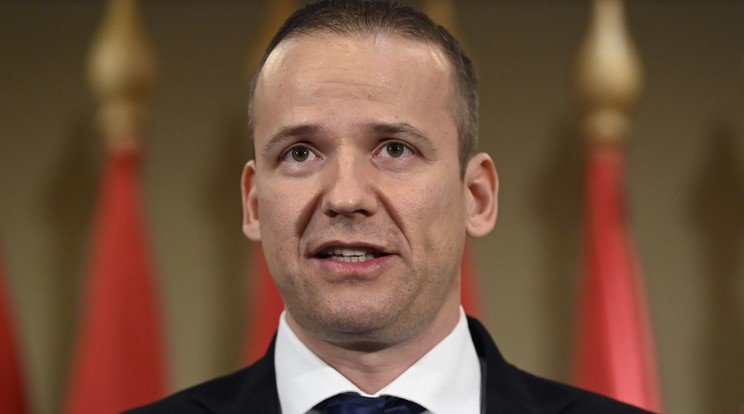
With $12.15 million in trading volume, the question of whether László Toroczkai will become Hungary's next Prime Minister has attracted substantial speculative interest, yet the market maintains an extremely low probability of 0.3% for his candidacy. The question resolves following Hungary's April 12, 2026 parliamentary elections, with a deadline of December 31, 2026 for formal appointment and confirmation. Trading activity has declined marginally from 0.3% just 24 hours prior, indicating steady but modest confidence in this outcome among market participants.
Why It Matters
The identity of Hungary's next Prime Minister carries significant implications for European Union relations, democratic governance standards, and the country's political trajectory. Toroczkai, as chairman of the far-right Our Homeland party, represents a distinct ideological direction from current Prime Minister Viktor Orbán. The market's assessment of his prospects reflects broader expectations about the sustainability of current power structures and whether Hungary's electorate would shift further rightward. Given Hungary's prominence in EU politics and its history of contentious governance issues, this leadership question carries weight beyond domestic Hungarian politics.
Key Factors Driving Probability
The extraordinarily low probability reflects several structural obstacles to Toroczkai's path to office. First, while Orbán's Fidesz party currently dominates Hungarian politics, Toroczkai's Our Homeland remains a substantially smaller parliamentary force. Second, coalition mathematics in Hungary's fractured political landscape make it unlikely that a far-right outsider could command the necessary parliamentary support to form a government, particularly given potential opposition from traditional center-right and opposition parties. Third, incumbency advantages and Orbán's consolidated power base suggest continuity or transition within the ruling coalition rather than a radical shift to Toroczkai's platform. The minimal probability adjustment in recent hours suggests markets view these obstacles as largely structural rather than subject to near-term shifts.
Outlook
Observers should monitor several developments leading to the April 2026 election. Coalition negotiations and pre-election alliance announcements will signal whether Toroczkai's party gains unexpected mainstream legitimacy or remains isolated. Electoral law changes or franchise adjustments, both politically contentious in Hungary, could theoretically impact seat distribution. Broader European political shifts affecting anti-establishment momentum may indirectly influence Hungarian dynamics. However, barring dramatic unforeseen circumstances—such as Fidesz's complete collapse or a unified opposition coalescing around Toroczkai—the market's baseline expectation of his near-zero probability appears anchored to realistic political constraints. Watch for any statements from Orbán or other major party leaders regarding succession planning or coalition frameworks, which would be the most concrete signals of changing probabilities.