What Happened
A prediction market contract tracking average daily transits through the Strait of Hormuz experienced a sharp 15.9 percentage point increase, rising from 3.7% to 19.6% in the probability that April 3 will see between 10-20 transits based on the 7-day moving average. The market recorded $196,750 in trading volume, indicating sustained institutional interest in the outcome. The movement reflects trader expectations that transit levels will fall into this specific range on the specified date.
Why It Matters
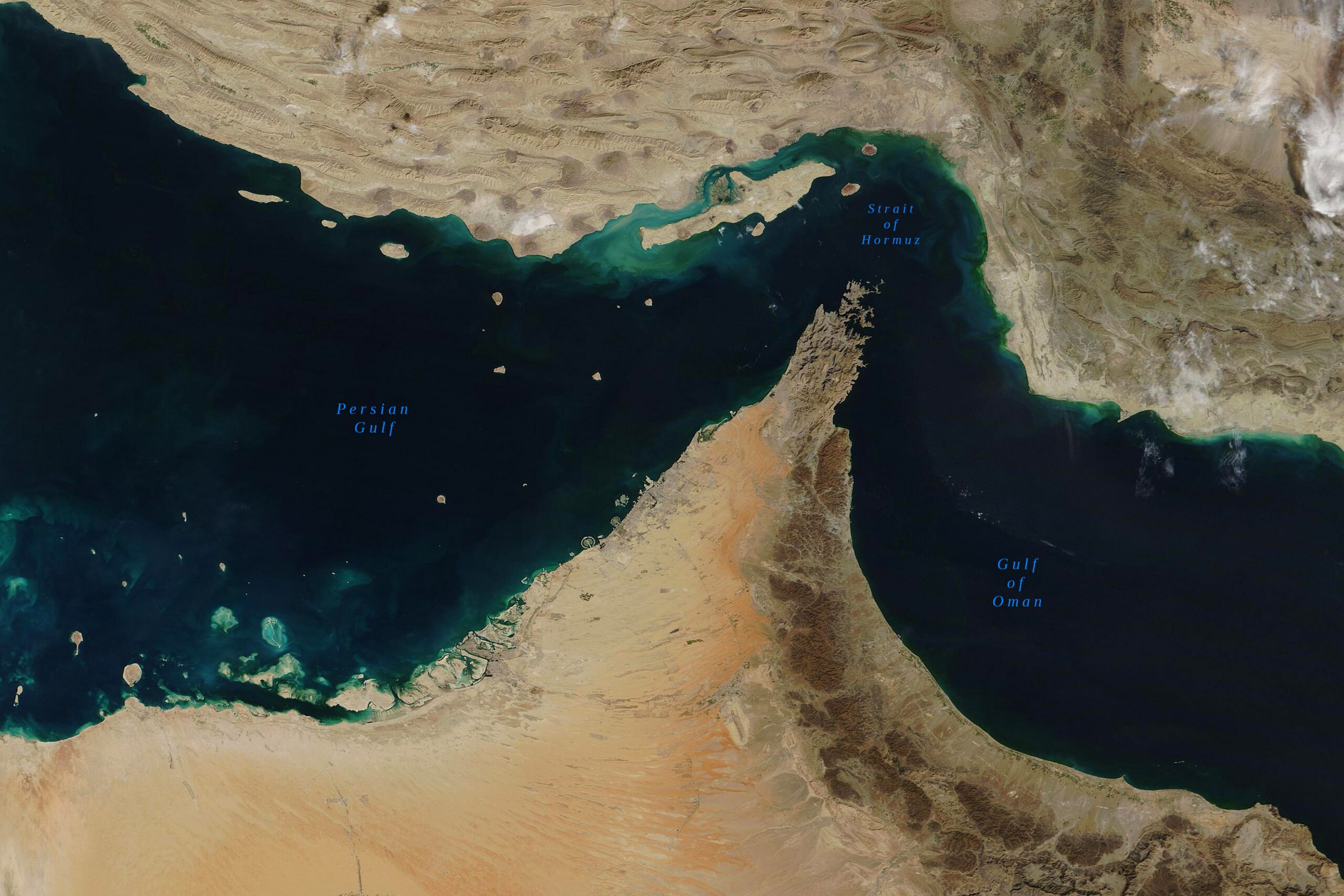
The Strait of Hormuz remains one of the world's most consequential maritime passages, handling roughly one-fifth of global oil trade. Transit volumes serve as a barometer for regional stability, international sanctions enforcement, and shipping route reliability. A significant repricing in transit forecasts signals new information about geopolitical conditions that market participants believe will materially affect vessel movements through the waterway. The sharp magnitude of the shift—from near-negligible odds to nearly one-in-five—suggests traders are responding to substantive developments rather than minor adjustments.
Market Context
The strait has been a focal point of geopolitical tension involving Iran, the United States, and regional actors. Historical fluctuations in transit data have correlated with sanctions announcements, military posturing, and diplomatic developments. The IMF Portwatch data underlying this market captures actual vessel arrivals across multiple shipping categories including container, tanker, dry bulk, and general cargo vessels. Movements in prediction markets often anticipate or reflect breaking news faster than traditional reporting, suggesting this price shift may indicate traders have received or interpreted recent information about impending changes to regional conditions.
Outlook
The market resolution will depend on actual transit call data published by IMF Portwatch for April 3. If the 7-day moving average lands between 10-20 transits, the contract resolves affirmatively. The elevated probability now priced in suggests traders expect conditions conducive to moderate transit levels—neither the historically elevated volumes seen during periods of relative stability nor the severely depressed levels observed during acute crises. Observers should monitor official Iranian statements, U.S. policy announcements, and shipping industry reports for the developments driving this market repricing.