Market Overview
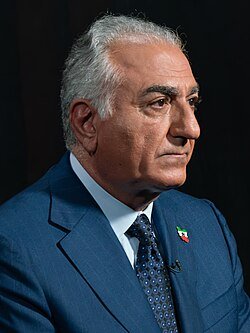
Prediction market traders are pricing Reza Pahlavi's chances of leading Iran by December 31, 2026 at 9.5%, with stable positioning over the past 24 hours and cumulative volume exceeding $1.1 million. The market's definition of leadership explicitly requires de facto governing authority—effective control over armed forces, ministries, and executive decision-making—rather than symbolic recognition or exile status. This establishes a high evidentiary bar: merely being appointed or recognized internationally would not satisfy resolution criteria. Pahlavi, the son of Iran's last shah, has been living in exile since the 1979 Islamic Revolution and has become a focal point for opposition movements seeking regime change.
Why It Matters
The question captures a fundamental geopolitical scenario: the collapse of the Islamic Republic and restoration of the Pahlavi monarchy. Such an outcome would represent one of the most significant political upheavals of the 2020s, with implications spanning Middle Eastern security, regional power dynamics, and global energy markets. Iran's oil production and strategic position make any leadership transition consequential. The 9.5% probability suggests markets view this scenario as plausible but unlikely within the specified 18-month window—acknowledging genuine instability while recognizing the regime's institutional resilience and security apparatus.
Key Factors
Several structural factors constrain the path to Pahlavi leadership. The Islamic Republic has maintained effective state control despite recurring economic crises, protests, and international sanctions. The Revolutionary Guards and security services represent a deeply entrenched power structure with institutional interests in regime continuity. Any transition would likely require either a dramatic military defeat, internal elite fracture, or popular uprising of unprecedented scale to overcome these barriers. Additionally, even widespread anti-regime sentiment does not automatically translate to Pahlavi support; opposition movements remain fragmented, with secular, religious, and nationalist factions holding competing visions for Iran's future.
The 18-month timeframe also matters. While 2024-2025 has seen sustained economic hardship and periodic unrest, rapid regime change within two years would require catalyzing events of extraordinary magnitude. Historical precedent from 1979 shows that even dramatic revolutions take months to consolidate, and subsequent transfers of power to specific individuals involve uncertainty and competition. International recognition, though explicitly not required by the resolution criteria, could facilitate Pahlavi's effective governance but is not assured; many regional and global actors maintain working relationships with current Iranian institutions.
Outlook
For the probability to shift materially upward, markets would likely require visible signs of regime fragmentation—splits within the Revolutionary Guards leadership, defections of senior officials, or major military setbacks. Downward movement could result from strengthening internal security apparatus control or successful consolidation under an alternative leadership figure. The current 9.5% odds reflect a market assessment that while Iranian instability creates non-negligible tail risk for regime change, the probability of specifically Pahlavi-led transition within this timeframe remains decidedly low. Traders are effectively betting that structural continuity outweighs revolutionary potential, though the high volume suggests active interest in tracking this geopolitical contingency.