Market Overview
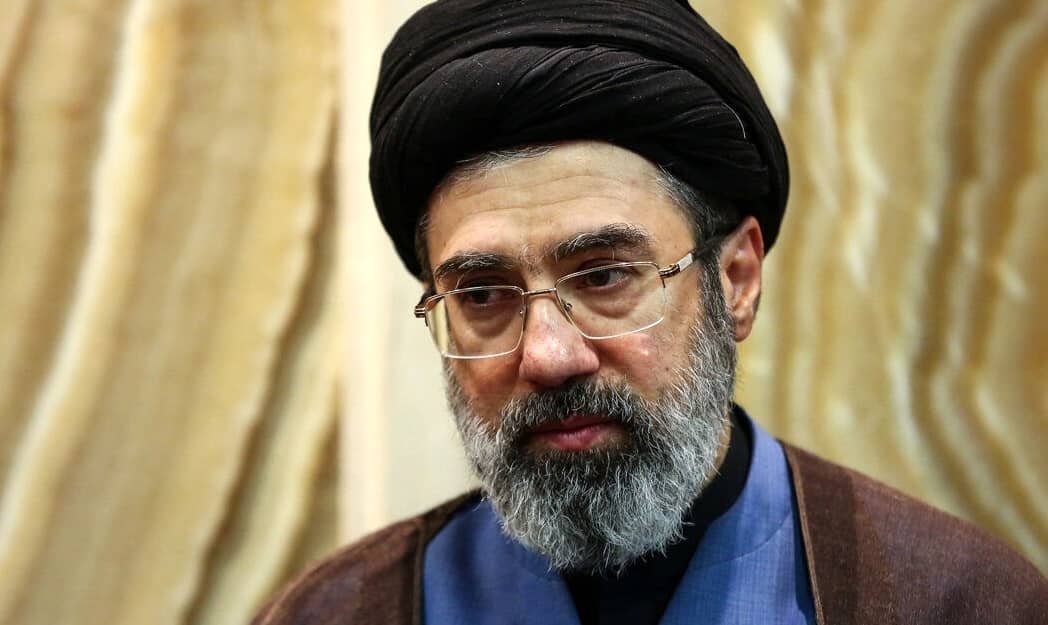
Prediction markets are currently pricing a one-in-three chance that Mojtaba Khamenei will cease to be Iran's de facto leader by the end of 2024. The market, which has generated over $2 million in trading volume, has held steady at 33.5% probability over the past 24 hours, indicating relatively stable trader conviction around this outcome. The specification is broad enough to capture various scenarios—removal from power, detention, resignation, or loss of functional control—rather than requiring a single specific event.
Why It Matters
A leadership transition in Iran would represent a significant geopolitical event with implications for regional stability, nuclear negotiations, and U.S.-Iran relations. The market's focus on Mojtaba Khamenei, the son and presumed successor to Supreme Leader Ayatollah Ali Khamenei, reflects questions about succession planning in Iran's system. The current Supreme Leader, Ayatollah Ali Khamenei, is 85 years old, making succession scenarios material to long-term Iranian governance. A change in the de facto power structure before year-end would likely signal either an unexpected health crisis, internal power struggle, or major political upheaval.
Key Factors
Several dynamics appear to be factoring into the current probability estimate. Ayatollah Khamenei's advanced age and persistent health concerns create baseline succession risk. Internal Iranian politics remain fractious, with competing factions within the Revolutionary Guards, clerical establishment, and broader government structure. Mojtaba Khamenei's relatively low public profile—he has traditionally operated behind the scenes—may also introduce uncertainty about his actual influence and vulnerability to rival power centers. International pressure on Iran, including sanctions and regional tensions, could accelerate internal instability. However, the Iranian system has historically shown considerable institutional resilience, and the Khamenei family maintains deep control over security and military structures, which would ordinarily work against sudden succession.
Outlook
The 33.5% probability suggests meaningful but not dominant concern about a leadership transition within the current timeframe. For this market to move significantly higher, traders would likely need to observe concrete signals: publicized health crises, visible power struggles between factions, or unusual statements from senior officials suggesting instability. Conversely, continued governance stability and no major health disclosures could drive the probability lower. The tight volume-to-probability ratio and price stability indicate the market is not reacting to breaking news but rather reflecting established views about Iran's political structure and succession dynamics. Traders should monitor Iranian state media, commentary from regional analysts, and statements from senior officials for any indicators of unexpected transitions.