Market Overview
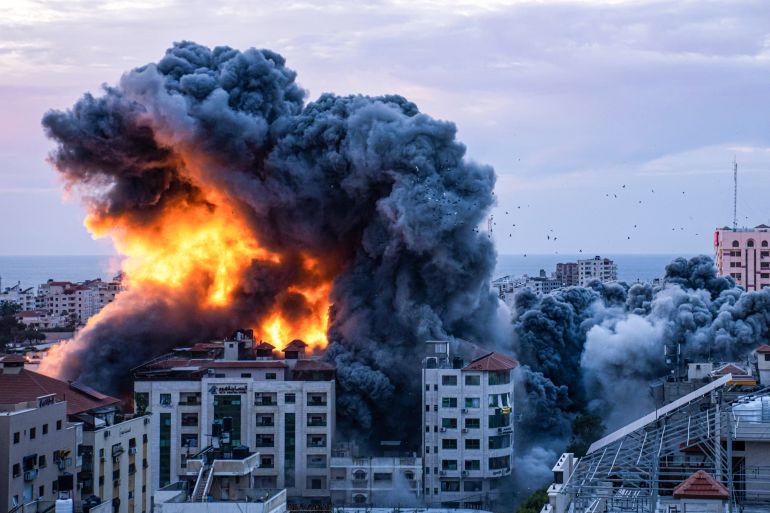
A prediction market focused on whether the U.S. or Israel will conduct a kinetic military strike against Iran's Isfahan Nuclear Technology Center has reached maximum probability at 100%, with substantial trading volume of $1.37 million supporting the pricing. The market, which runs through March 31, 2026, defines a successful strike as any drone, missile, aerial bombing, or ground-based kinetic action—though strikes that are intercepted or miss their target would not trigger resolution. This extreme probability reflects trader conviction that military action of this scale is not merely possible but effectively certain within the specified timeframe.
Why It Matters
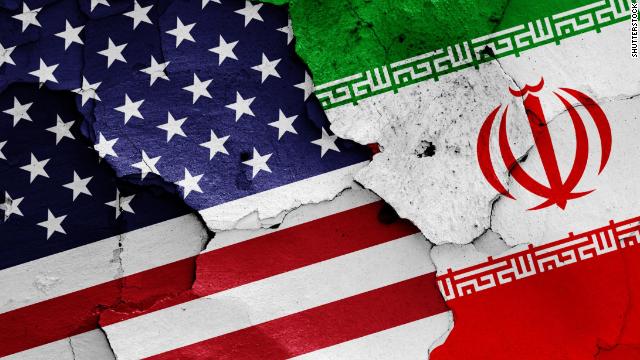
The Isfahan Nuclear Technology Center represents a critical node in Iran's nuclear infrastructure, making it a recurring target in discussions of potential military responses to Iran's nuclear program. The market's 100% probability reading carries significant implications for regional stability assessments and insurance pricing for Middle Eastern assets. Such extreme odds suggest prediction market participants view the escalatory trajectory of U.S.-Israel-Iran relations as having crossed a threshold where kinetic action is treated as a foregone conclusion rather than a probabilistic outcome. This contrasts sharply with how most geopolitical events are priced and warrants scrutiny of whether the market reflects objective likelihood or reflects extreme positions taken by a concentrated group of traders.
Key Factors Driving Probability
Several developments have intensified regional tensions. Recent months have seen tit-for-tat military exchanges between Israel and Iran, including direct missile strikes on Israeli territory and Israeli responses targeting Iranian military installations. Iran's advancement of its nuclear enrichment program, including increased uranium enrichment to near weapons-grade levels, has heightened urgency among policymakers in Washington and Jerusalem regarding potential Iranian nuclear breakout timelines. Additionally, the political composition of U.S. administration officials and strategic posture toward Iran, combined with Israel's broader security operations in the region, may have influenced trader positioning. The market's settlement criteria—requiring that strikes successfully strike their target—creates a high bar for resolution, yet traders still price this at absolute certainty.
Outlook and Considerations
The 100% probability warrants caution in interpretation. Such extreme pricing in geopolitical markets often reflects illiquidity, concentrated positioning, or misaligned incentives rather than genuine assessment of near-certain events. Historical precedent shows that even high-probability military scenarios frequently do not materialize due to diplomatic channels, deterrence calculations, or unexpected political shifts. Developments that could alter this probability include direct negotiations between the parties, changes in U.S. administration foreign policy priorities, international pressure constraining Israeli military operations, or Iranian de-escalation measures. Traders should consider whether the market is accurately reflecting base rates for such military actions or whether it has drifted toward an extreme that may not reflect underlying fundamentals. The extended timeframe—approximately 15 months from typical market creation—provides ample opportunity for material geopolitical shifts that prediction market pricing has not yet incorporated.