Market Overview
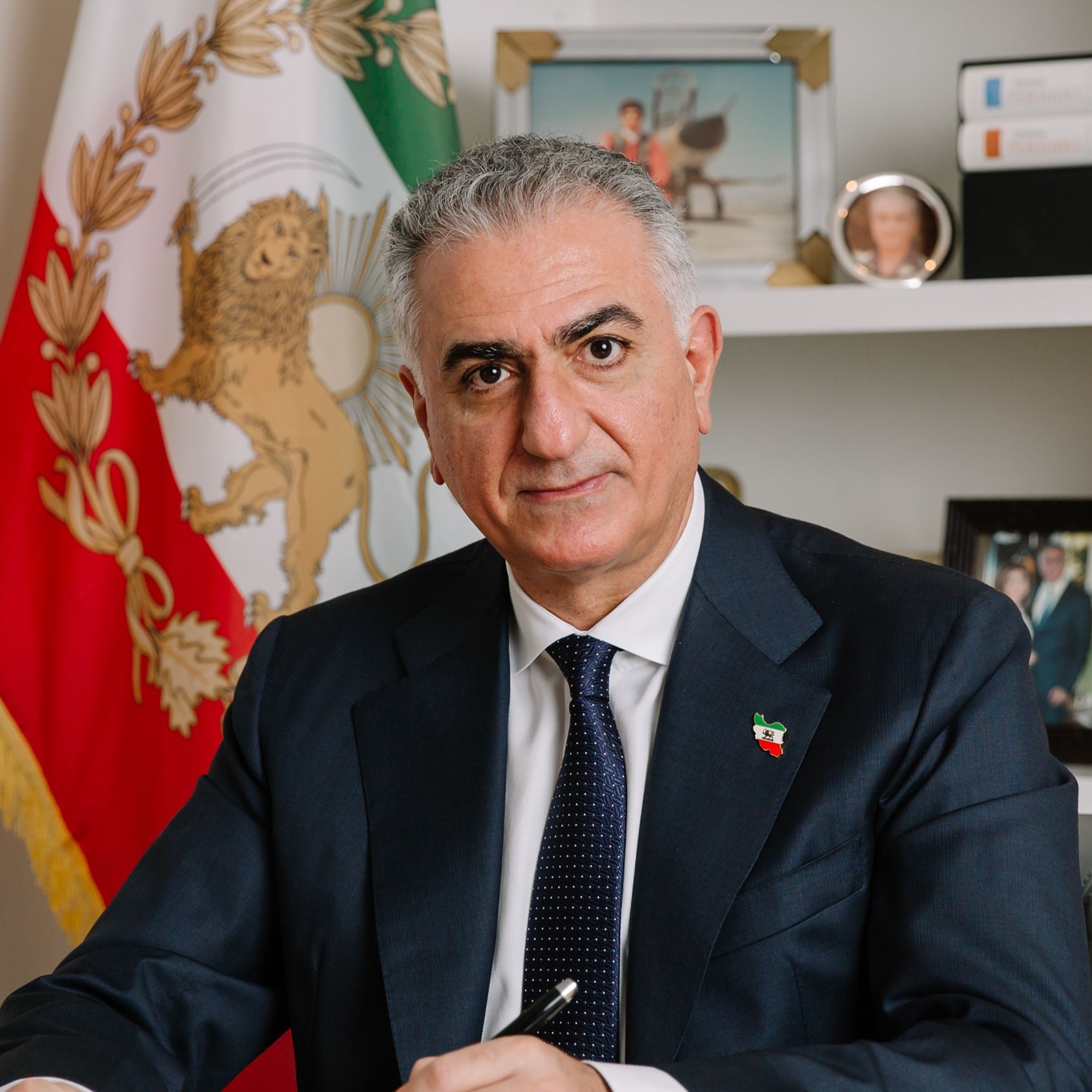
Prediction markets are currently pricing Reza Pahlavi's return to Iran at just 5.5% odds through June 30, 2026, with the market drawing $3.6 million in trading volume. The probability has remained stable over recent trading, suggesting broad consensus among market participants on the low likelihood of the exiled son of the last Shah entering Iranian territory within the specified timeframe. The resolution criteria focus specifically on physical entry into Iran's terrestrial borders, excluding airspace or maritime territory, creating a precise but challenging bar to clear.
Why It Matters
Reza Pahlavi's potential return would carry enormous symbolic and political weight in Iran, where the 1979 Islamic Revolution and subsequent decades of clerical rule have cemented the Pahlavi dynasty's exile status. Any visit by the exiled prince would likely signal major shifts in Iran's political landscape, as the current Islamic Republic government has shown no indication of tolerance for prominent opposition figures returning from abroad, particularly those associated with the pre-revolutionary monarchy. The market's assessment reflects the practical reality that such a return remains contingent on scenarios ranging from regime collapse to negotiations of historical magnitude.
Key Factors
Several structural factors support the low probability estimate. The Iranian government maintains active security services that monitor and restrict prominent opposition figures, and Pahlavi has been a vocal critic of the Islamic Republic from exile in the United States. The 18-month timeframe between now and the deadline is relatively compressed for the kind of geopolitical upheaval that would be necessary to enable such a visit. Additionally, even amid recent unrest in Iran, including the 2022-2023 protests following Mahsa Amini's death, no clear pathway has emerged for exiled opposition leaders to safely return. The market appears to account for the possibility of extraordinary events—such as a fundamental shift in Iran's government or a negotiated settlement involving opposition figures—without overweighting these as probable scenarios.
Outlook
For the probability to shift significantly upward, the market would likely require concrete signals of political transformation in Iran or a major diplomatic initiative involving Pahlavi's participation. Conversely, further entrenchment of current security postures or explicit statements from Iranian authorities against any return by Pahlavi could reinforce the low odds. Market participants will likely monitor Iran's internal stability, any developments in opposition movements, and diplomatic initiatives as potential catalysts. The stable pricing despite global attention to Iran suggests traders view the base case as one where the status quo—continued exile and no physical return—remains the overwhelming most likely outcome.