Market Overview
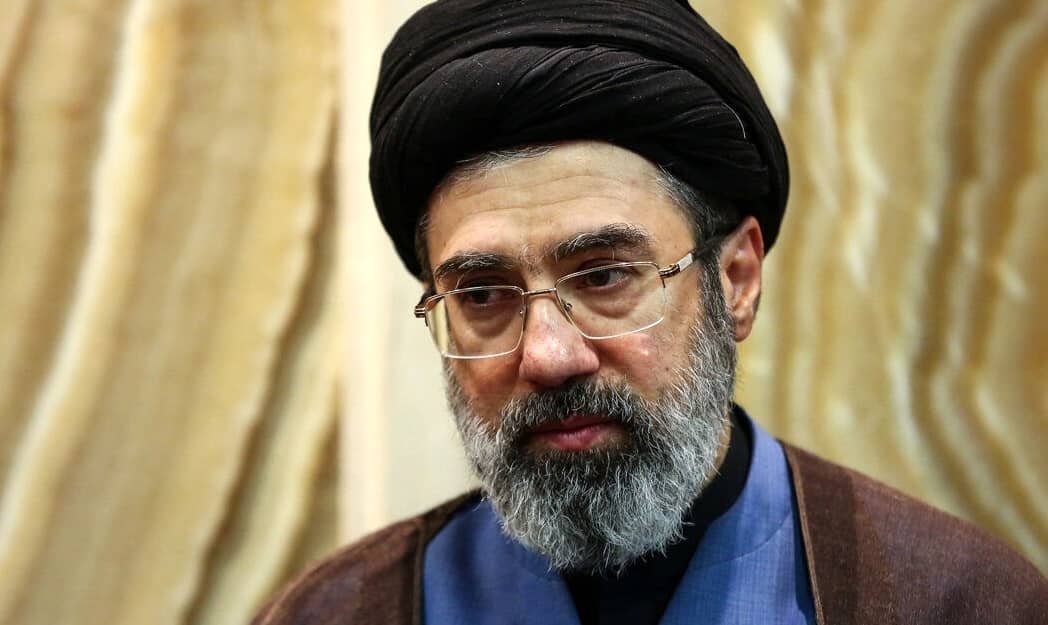
Prediction markets are currently pricing a one-in-three chance that Mojtaba Khamenei, the presumed heir to Iran's Supreme Leader position, will cease to be the de facto leader of Iran by the end of 2024. The market has maintained steady at 33.5% probability over the past 24 hours, with approximately $2.1 million in trading volume, suggesting moderate but stable interest in this geopolitical outcome. The resolution criteria encompass removal from power, detention, or any circumstance that prevents Khamenei from exercising leadership authority, with official announcements of resignation or removal triggering immediate resolution regardless of implementation timelines.
Why It Matters
Succession dynamics within Iran's complex political system carry significant implications for Middle Eastern stability and U.S. foreign policy. Mojtaba Khamenei, the current Supreme Leader's son, has long been positioned as his successor, but his ascension is far from assured given factional competition among Iran's military, clerical, and political establishments. A leadership change within the next six months would represent a major disruption to Iran's governance structure and could signal underlying instability or internal power struggles that reshape the country's domestic and foreign policy orientation. Markets pricing this outcome at roughly one-in-three odds reflect genuine structural uncertainty rather than consensus expectation.
Key Factors
The current probability reflects several countervailing considerations. On one hand, the aging Supreme Leader's health status remains a critical variable—any significant deterioration could accelerate succession questions or trigger competing claims to authority. Additionally, Iran's internal factional divisions between hardliners, pragmatists, and reformists create potential resistance to a predetermined succession, particularly if Mojtaba Khamenei is perceived as lacking the religious credentials or political coalitions necessary to command institutional loyalty. Conversely, the established institutional framework and Mojtaba's long period of cultivation within security and intelligence circles provide structural support for continuity. External pressure from U.S. sanctions and regional tensions could either solidify behind-the-scenes backing for the presumed heir or create openings for rival factions to challenge the succession.
Outlook
The market's assessment at one-in-three odds suggests traders view Iran's political succession as genuinely contested rather than predetermined, even with six months remaining in the resolution window. Key developments that could shift this probability include any public health announcements regarding the Supreme Leader, manifestations of factional infighting within Iran's Revolutionary Guards or clerical establishment, or geopolitical crises that destabilize Iran's institutional coherence. The timeframe—ending December 31—is relatively compressed for such a significant political transition, which may explain why the probability remains modest rather than reflecting higher-odds scenarios of eventual succession. Market participants should monitor Iranian state media and intelligence assessments of internal power dynamics as the most reliable leading indicators for material probability shifts.